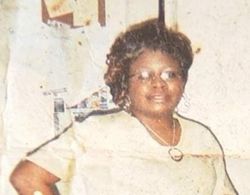
Alexis J. Harlow, 29, a White/Caucasian woman from Atlanta, was found dead on August 13, 2025, in a grim and lonely space behind a shopping plaza on Campbellton Road SW. Police were called to the area late that morning after reports of an unresponsive person, and what they found was the kind of scene that lingers: Harlow’s body inside a storage compartment behind the business complex, shot to death.
Early accounts from investigators said she appeared to have been killed about a day before she was discovered, leaving detectives to piece together her final hours from surveillance video, canvassing, and whatever traces the scene had left behind.
In the first days after her death, the case carried the uneasy weight of a mystery. Authorities publicly identified Harlow several days later and asked for help from the public, offering a reward for information that could lead investigators to the person responsible. The details that emerged made the killing feel especially cold. Reports described her body as having been left in that storage area behind the plaza, hidden away from public view, as if someone hoped the location itself would delay answers. For a time, police said little about motive, and the investigation seemed to move through that familiar stretch of silence that follows many killings, when family, friends, and the public are left waiting for a name, an arrest, or some sign that the case is not slipping away.
About a month later, investigators announced a major break. Atlanta police charged 20-year-old Reginald Elliot in Harlow’s killing. According to police, Elliot was accused not only of murder and aggravated assault, but also of possessing a firearm during the commission of a felony and tampering with evidence. Authorities said he was already being held in the Fulton County Jail on other matters when the homicide charges were filed, and he remained in custody after those new charges were added. Reporting tied the arrest directly to the August 13 killing on Campbellton Road, marking the first publicly identified suspect in the case.
As of the publicly available reports located online, Elliot is the only person publicly named as a suspect in Harlow’s death, and no additional arrests were described in the coverage reviewed. The case moved from a haunting discovery behind a southwest Atlanta shopping center to a prosecution centered on one accused man, but the public record available in news reports still leaves much of the story in shadow: how Harlow came to that place, what led to the shooting, and what investigators uncovered in the weeks between the discovery of her body and the filing of charges. What is clear is that her death began as an unsolved killing hidden behind an ordinary strip of storefronts, and by September it had become a murder case with a named defendant facing serious felony charges.