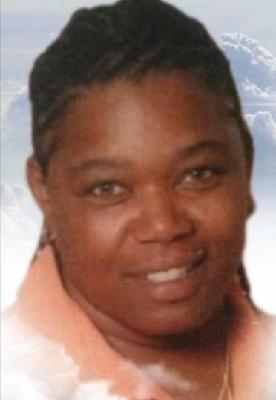
Bernard Robert Williams Jr., 31, a Black male, was living in Las Vegas after moving from Gary, Indiana when his life ended on July 24, 2008. Loved ones later remembered a man who sang in church choirs, played piano, and had recently built a life in Nevada, details that surfaced in his obituary as family prepared services back home. Those memorials fixed key facts—his full name, age, and Las Vegas residence—while the circumstances of his death remained spare and hauntingly simple in public
records: he was found dead in the city that summer, another loss amid a year of steady violence that kept homicide detectives busy across the valley.
Police accounts available online describe the case in broad strokes—detectives opened an investigation, and the death was categorized among the year’s homicides—but they do not add a public narrative of where Williams was in his final hours or who might have crossed his path. Contemporary and retrospective web postings referencing the case identify the date, place, and victim but stop short of naming a motive or reconstructing a fuller timeline. In the absence of a formal case summary, those fragments sketch only the edges of what happened, emphasizing the suddenness with which he was lost and how quickly the investigation receded from public view.
No arrest, warrant announcement, or suspect identification tied to Williams’s killing appears in the Las Vegas Metropolitan Police Department’s publicly posted news releases or open-case pages for that period, and subsequent media databases do not show a follow-up naming a suspect in his death. The online record, such as it is, suggests that authorities did not announce an arrest in connection with the case, leaving family and friends to memorialize him while the official story remains unresolved in the public domain.