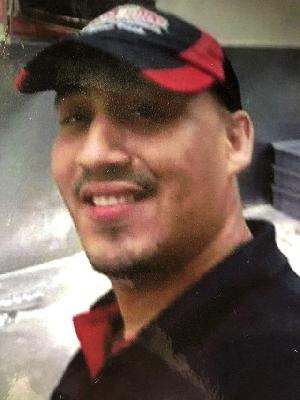
Jacob Zimmer was a 61-year-old White man who died on February 3, 1983, in Manhattan, New York, when gunfire tore through the Hotel Belleclaire on the Upper West Side. By the time the violence stopped, four people were dead in the building, and the day’s horror had become the kind of story residents would carry for years: a place meant for shelter and routine suddenly turned into a scene of panic, locked doors, and footsteps running the wrong way.
Investigators said the suspected gunman was Alban Leacock, a 41-year-old hotel handyman, and early accounts placed the first bloodshed inside the seventh-floor apartment where he and his wife lived. In that cramped space, shots rang out in the early morning hours, and the spree claimed multiple lives there—among them Leacock’s wife, Christine, and a 12-year-old girl—before the violence spilled beyond the apartment and into other parts of the hotel. The Hotel Belleclaire, later described in historical summaries as a building that had become a single-room-occupancy residence by that era, was exactly the kind of place where many people lived close together but still felt alone—until that morning forced everyone into the same fear.
One detail from police accounts captured the surreal randomness of who lives and who dies: a 78-year-old hotel clerk, Alex Gittens, realized hours later that he had been shot only when he removed his wallet and the bullet fell out of it—stopped cold by the thick billfold pressed against his chest. In another account from the same day, police described a woman who survived but was badly wounded, taken to Roosevelt Hospital with gunshot injuries. Around the building, the aftermath wasn’t just bodies and broken glass; it was the stunned discovery that a handful of seconds, a pocket’s contents, or a turn of the head could separate a fatal wound from a narrow escape.
Public memorial records for gun-violence victims list Jacob Zimmer among those killed in New York City on that date, alongside Christine Leacock, Desiree Winfield, and David Williams, tying his death to the same deadly event that left four victims in total. Contemporary reporting also described one of the victims as the hotel owner, underscoring that the shooting cut through different lives and roles within the building, from residents to staff to those responsible for running the place.
In the years that followed, the case moved from chaotic headlines to the colder language of court records. Trevor Alban Leacock was convicted after a non-jury trial in New York County, with convictions including second-degree murder, multiple counts of first-degree manslaughter, attempted second-degree murder, and assault, reflecting both the deaths and the people who survived being shot. On appeal, the reviewing court upheld the convictions but found parts of the sentencing improper under New York law, sending the case back for resentencing on specific counts—an administrative coda to a crime that, for the victims and the people who witnessed it, had no clean ending at all.