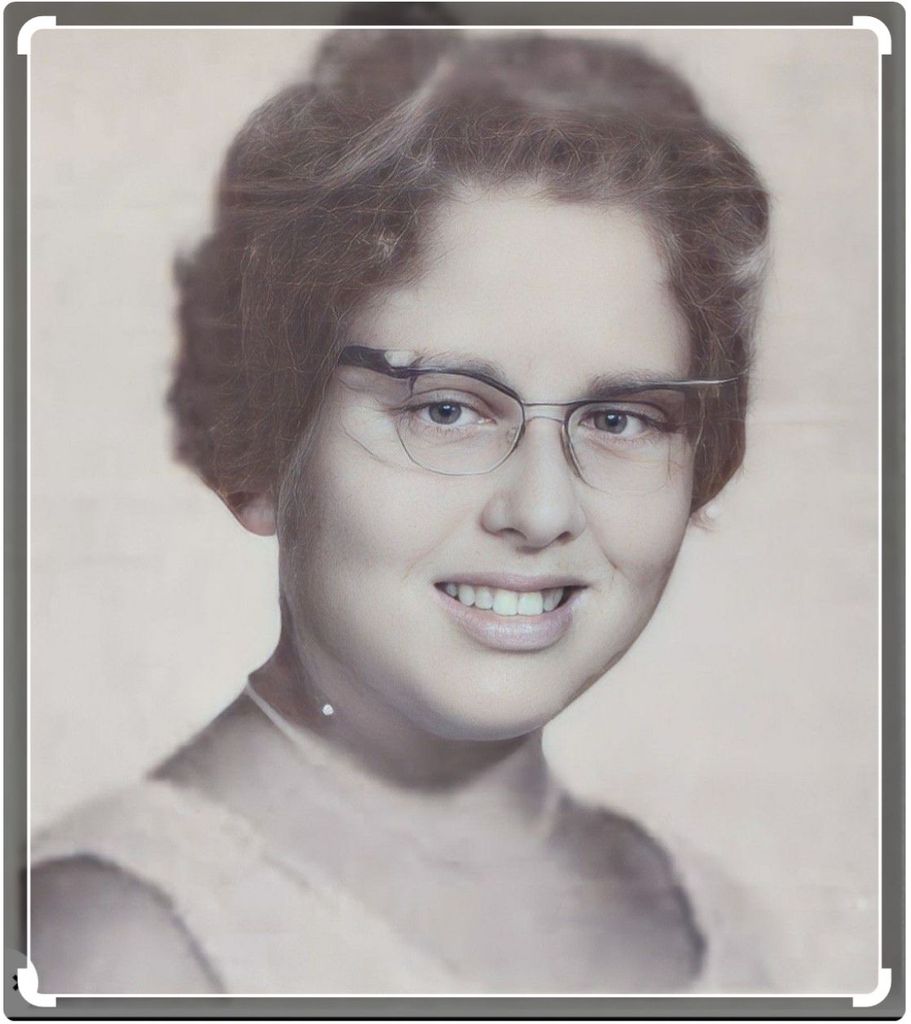
On a tragic day in Fenton, Michigan, the lives of 14-year-old Melissa Urbin and her 16-year-old sister, Michelle, were brutally cut short. The white female siblings were walking near their home in Tyrone Township on September 29, 1991, when they were abducted by Leslie Allen Williams, a man with a long and violent criminal history who was, controversially, on parole.
Williams, a convicted serial killer and habitual offender, had stalked the sisters, admitting he had watched them on
multiple occasions. He forced the girls into his car and took them to a secluded area where he committed heinous acts of sexual assault before murdering them. Their bodies were then buried in shallow graves. For months, their family and community were left in agonizing uncertainty.
The break in the case came in May 1992, when Williams was arrested for the attempted abduction and rape of another woman at a cemetery. Following his apprehension, Williams confessed to the murders of four teenage girls, including Melissa and Michelle Urbin. He led investigators to the location of their remains. The other victims were identified as 18-year-old Kami Villanueva and 15-year-old Cynthia Marie Jones.
The confession and subsequent discovery of the bodies brought a horrifying conclusion to the search for the missing girls and exposed a deeply flawed parole system. Williams' release, despite his violent past, sparked public outrage and intense scrutiny of the Michigan parole board's decisions.
Leslie Allen Williams was convicted on multiple counts of first-degree murder, kidnapping, and criminal sexual conduct. He was sentenced to life in prison without the possibility of parole, ensuring he would never again pose a threat to the community. The case left an indelible scar on the Fenton community and served as a tragic reminder of the devastating consequences of a justice system's failure.