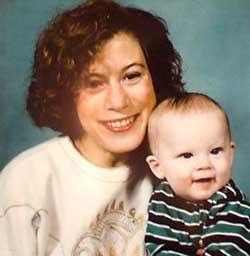
Audrey Ann Spain, a 24-year-old Black woman from Charlotte, North Carolina, was murdered on June 22, 1993. At the time of her death, she was employed as a manager at a Taco Bell restaurant in Charlotte. Her body was discovered three days later, on June 25, 1993. Audrey Spain was one of several young Black women who fell victim to a serial killer operating in the Charlotte area during the early 1990s.
The suspect in her murder was Henry Louis Wallace, an African American male who later
became known as the "Taco Bell Strangler." Wallace was a manager at the same Taco Bell where Audrey Spain worked, and he used his position and familiarity with his victims to gain access to them. On the day of her death, Wallace raped and strangled Audrey Spain in her home. Her murder was part of a broader pattern of killings that targeted young Black women, many of whom were Wallace’s co-workers, acquaintances, or friends.
Wallace’s killing spree spanned from 1990 to 1994 and included the murders of at least eleven women in North and South Carolina. His crimes were marked by sexual assault, strangulation, and, in some cases, post-mortem staging or attempts to destroy evidence. Audrey Spain’s murder occurred during a particularly active period in Wallace’s spree, which saw multiple victims killed in rapid succession.
Henry Louis Wallace was arrested on March 13, 1994, after a lengthy investigation that had failed to connect the murders for nearly two years. Upon his arrest, Wallace confessed to the murders of ten women in Charlotte, including Audrey Spain. He provided detailed accounts of each killing, describing how he raped, robbed, and murdered his victims. His confessions were instrumental in securing convictions.
In 1997, Wallace was convicted of nine counts of first-degree murder and sentenced to death. He remains on death row in North Carolina. The case drew widespread criticism of the Charlotte-Mecklenburg Police Department for its handling of the investigation, particularly the delay in recognizing the pattern of killings and the perceived lack of urgency in addressing the deaths of young Black women. Audrey Spain’s death, along with those of the other victims, became a focal point in discussions about race, gender, and law enforcement priorities in cases involving marginalized communities.