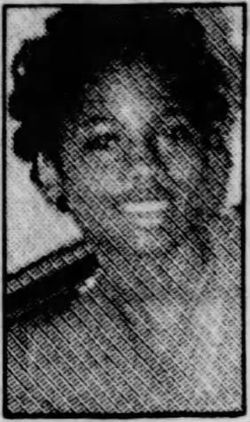
On the cold New Year's Eve of 1990, the life of 24-year-old Morraine Michelle Armstrong was violently cut short in her Rochester, New York apartment. A white female, Armstrong was discovered in her residence at 509 Lake Avenue, the victim of a brutal strangulation. The scene that greeted investigators was grim; electrical cords were wrapped around her neck, and she was found wearing only a single sock, suggesting a sudden and violent struggle.
In the initial canvass of the neighborhood, police spoke with a man named Robert Bruce Spahalski, who lived across the street at 512 Lake Avenue. At the time, Spahalski denied knowing Armstrong, and with no immediate leads, her case tragically went cold, leaving her family and the community searching for answers for over a decade.
For fifteen years, the investigation into Morraine Armstrong's murder remained dormant. The turning point finally came on November 8, 2005, when Robert Spahalski, a man with a lengthy criminal history, walked into the Rochester Police Department and made a stunning confession. He admitted to killing Armstrong, providing details of the crime that only the perpetrator could have known. Spahalski recounted that he had been with Armstrong in her apartment and had strangled her. His confession was not limited to this single act of violence; he also admitted to three other homicides that had occurred between 1990 and 2005, solidifying his connection to a string of violent crimes that had plagued the area.
Spahalski's confession brought a long-awaited resolution to the mystery of Morraine Armstrong's death. He was subsequently charged with five counts of second-degree murder, including the murder of Armstrong. The man who had once stood among the onlookers at the crime scene, feigning ignorance, was now revealed as the person responsible for the young woman's death. His admission of guilt, though it came many years after the fact, finally provided a measure of closure to a case that had long haunted the Rochester community and the investigators who had worked to solve it.