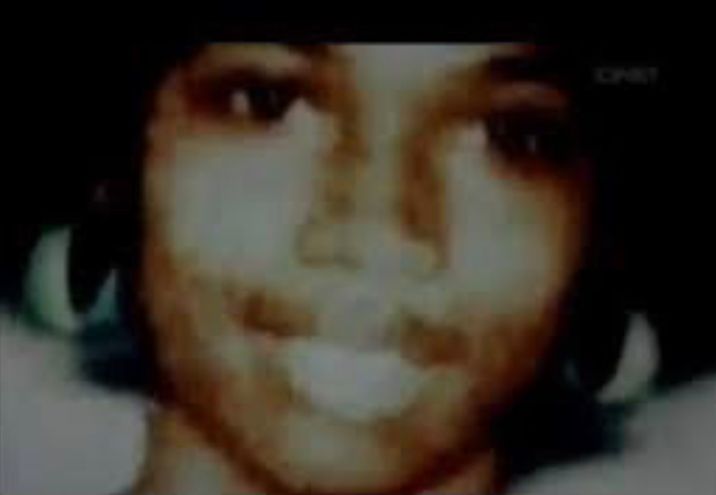
June Cicero, a white 34-year-old woman from Rochester, New York, disappeared on December 17, 1989, at a time when the city was already tightening with fear over a string of killings along the river and its back roads. In life, she was known on the street and, in the language of the investigation that followed, would be described as a missing prostitute—one more name drifting into the growing list of women who seemed to vanish into the winter dark.
As the year turned, police attention snapped to the woods and waterways west of Rochester after a clue surfaced near the river: discarded jeans holding identification for another missing woman. With that discovery, authorities widened their search from street corners to the frozen quiet beyond town, lifting their eyes to the air. On January 2, 1990, a helicopter crew scanning the area spotted what looked like a naked body lying on ice near a bridge in the forest. It wasn’t the person they expected to find. It was June Cicero. Reports described her as having been mutilated after death and cut so severely she was said to be practically sawn in half, left where winter could preserve what had been done.
The same flight that found her also caught something else—an unnerving thread that tied the scene to a living suspect. On the bridge above the body, the helicopter crew saw a man beside a small van, behaving in a way witnesses and later accounts described as either masturbating or urinating. When patrol units on the ground were alerted, the vehicle sped off, but investigators traced it through its registration, which led them to a local man: Arthur Shawcross. When questioned, Shawcross played the part of someone willing to help, yet admitted he had no driver’s license and volunteered that he had been imprisoned before for manslaughter—details that, instead of reassuring police, only deepened the sense that they had finally stepped onto solid ground after months of slipping leads.
Even then, the case did not break open with a single confession; it tightened like a slowly drawn knot. According to later accounts, investigators struggled at first to get Shawcross to admit what he’d done, until they confronted him with a piece of jewelry he had given to his girlfriend, Clara Neal—jewelry police said belonged to June Cicero. When the threat shifted toward implicating Neal, Shawcross gave way. He admitted to most of the murders, offering explanations that cast his victims as the reason he was “forced” to kill, and he directed investigators to bodies that had not yet been found. His formal confession ran to nearly 80 pages, a long, methodical document that turned rumor and dread into a prosecutable narrative.
The legal aftermath unfolded in stages. In November 1990, Shawcross went on trial in Monroe County for ten murders tied to that jurisdiction, mounting an insanity defense that pointed to trauma, alleged brain and genetic factors, and an unstable personal history. The jury rejected it, finding him sane and guilty of ten counts of second-degree murder, and the judge imposed a sentence totaling 250 years. A few months later, he was taken to neighboring Wayne County for the murder of Elizabeth Gibson; there, instead of fighting on insanity grounds, he pleaded guilty and received an additional life sentence. In the story the courts ultimately told, June Cicero was not an unsolved disappearance or a nameless figure in a winter landscape—she was one of the women whose deaths anchored the case against the man Rochester came to know as the Genesee River Killer.