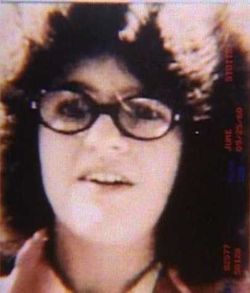
Felicia Stephens, a 20-year-old Black woman from Rochester, New York, vanished at the end of December 1989, one more name swallowed by winter streets and a city already living with a growing dread. Investigators would come to believe she was killed on or about December 27 or 28, 1989, during the same violent stretch when other women were disappearing around Rochester and the river towns nearby.
On New Year’s Eve, a grim clue surfaced when her pants and identification were discovered near Northampton Park, an area that would soon become painfully familiar to searchers. With that discovery, the hunt shifted from hoping to find a missing woman to combing frozen ground and waterways for what might be left behind. Days later—on the morning of January 4, 1990—a deer hunter came upon her body in the park, confirming the fear that had been building with every hour she did not come home.
By then, law enforcement attention had tightened around Arthur John Shawcross, a paroled killer who had settled in the region and who would ultimately be identified as the “Genesee River Killer.” In early January 1990, police took him into custody as the wider investigation accelerated; reporting from the period described how he was questioned amid a rapidly expanding series of homicides, and how he provided investigators with information about Felicia Stephens’s killing during interrogation.
Her death became part of the chain of events that brought the broader case crashing into the open. Shawcross was arrested on January 5, 1990, as investigators pursued leads tied to multiple victims across Monroe County and neighboring areas, and as searches and discoveries continued to unfold in quick succession. What had felt like scattered tragedies began to resolve into a single, horrifying pattern—one man moving through familiar routes, returning to the same dumping grounds, and letting his confidence grow until it finally betrayed him.
The legal outcome was sweeping. Shawcross went to trial in Monroe County in November 1990 and was found guilty of 10 counts of second-degree murder; in February 1991, he was sentenced to a total of 250 years in prison—25 years to life for each count—covering the Rochester-area murders adjudicated there. Additional proceedings followed in relation to a victim killed in neighboring Wayne County, where he later received another life sentence after pleading guilty.