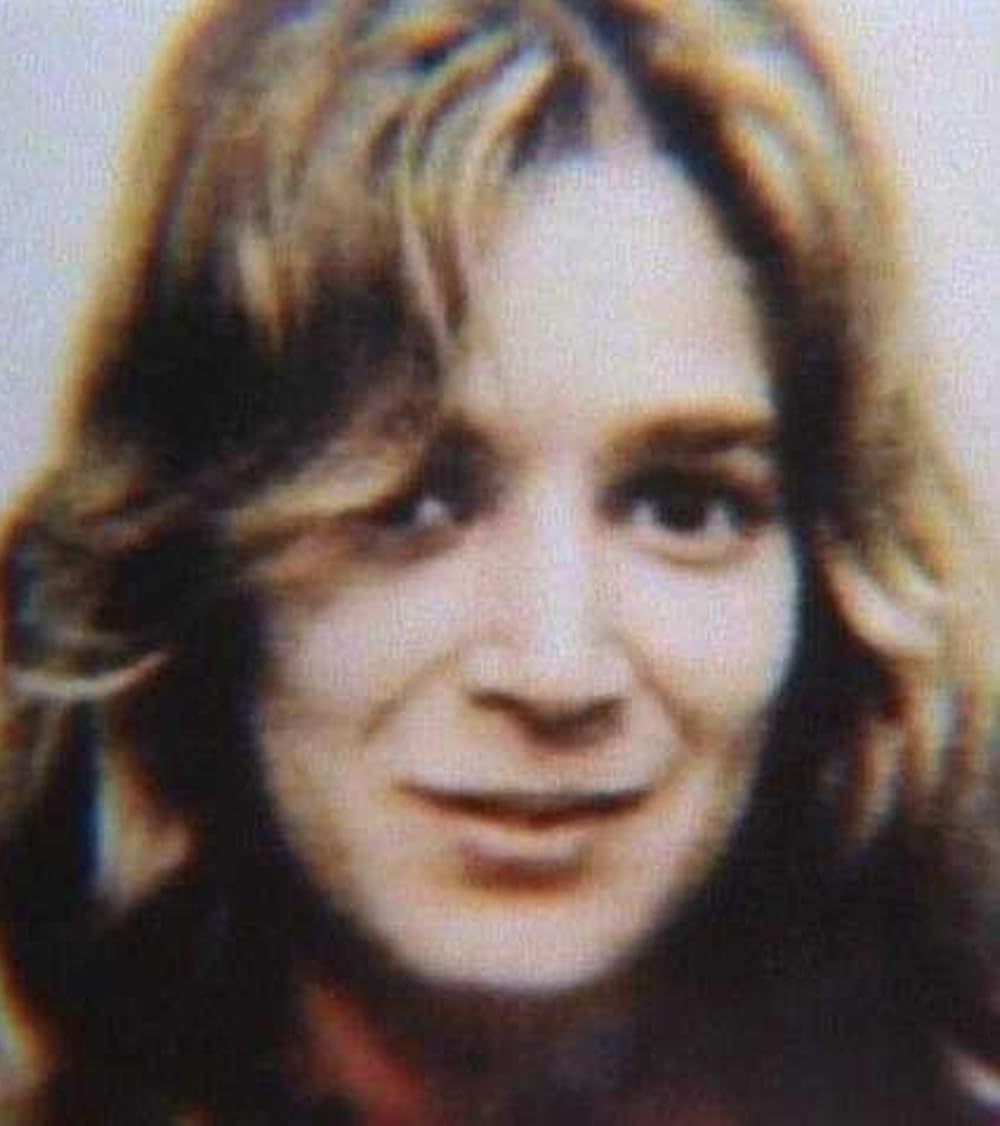
Patricia “Patty” Ives was a 25-year-old white woman from Rochester, New York. She vanished on September 29, 1989, slipping into the background noise of a city where street-level danger could make a person disappear in plain sight. For weeks, there was only absence—no confirmed sightings, no clear trail—just the growing unease that surrounded a pattern of violence already haunting the river corridors and vacant edges of Rochester.
Near the end of October, the secret broke open in a way that felt almost accidental: a boy chasing after a ball noticed something wrong beneath a heap of debris and cardboard near a YMCA not far from the Genesee River gorge. Police were called, and what they uncovered was Ives’s decomposing body, partially hidden as if someone believed a quick cover would be enough to erase her. Reports described her dressed in dark clothing when found, and her death was treated as part of an emerging series in which women were killed quickly—often by asphyxia or strangulation—and left in places where brush, trash, or terrain could do the rest of the hiding.
Her discovery intensified what investigators and the public were beginning to fear: the killings were not isolated. Police pressure built, the search widened, and attention turned toward the neighborhoods and corridors where vulnerable women were last seen—especially the area where sex work was common and where victims were believed to be targeted. In Ives’s case, accounts noted that her pimp openly grieved her death and was not considered a viable suspect, leaving detectives still searching for the person who had been close enough to lure her away and strong enough to kill without a prolonged struggle.
Arrests did come—months later, in early January 1990—when Arthur Shawcross, a parolee with a prior history of killing, was taken into custody amid the widening investigation into the Rochester-area slayings. Early reporting described him being arraigned on multiple murder counts, and authorities said he led investigators to bodies of women who were still missing, reinforcing the belief that the same offender was responsible for a longer list of deaths than had been publicly charged at first.
Ives’s death was ultimately folded into that larger prosecution. Shawcross went to trial later in 1990 for ten Monroe County murders; he was found guilty on ten counts of second-degree murder, and he received consecutive terms that amounted to a 250-year sentence. After that verdict, he also pleaded guilty in a separate case in Wayne County for another victim, closing the legal net around the broader series tied to the Genesee River killings.