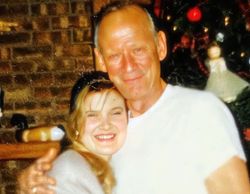
William “Tom” Grissom was 55, a White male, when he was killed in Shreveport, Louisiana, on Nov. 4, 1989. In the ordinary rhythm of a weekend evening, dinner was being readied at his home in the Southern Hills area, but something violent interrupted it—so violent that when the scene was finally discovered on Monday, Nov. 6, three lives in that house were already gone, and the place felt less like a home than a crime scene frozen in shock.
Investigators treated it as a triple homicide from the start, and the details they later shared were the kind that suggested an offender who was not only capable of killing, but willing to linger and manipulate the aftermath. Reports tied to the investigation described indicators that would echo in later comparisons: tape residue, and a disturbing effort to clean parts of the scene using vinegar rather than soap, along with the deliberate positioning of one victim’s body—elements that made detectives uneasy because they didn’t feel impulsive; they felt rehearsed.
In the first wave of suspicion, people close enough to the family to be within reach of rumor found themselves pulled into the spotlight. One prominent early person of interest was Hal Carter, a Shreveport attorney who had recently ended a relationship with Julie Grissom; court records later noted that he “quickly became a suspect,” yet he was never arrested in the Grissom murders, and documentation reflects that investigators verified he was in Atlanta at the time of the killings. The case still cooled, and the city lived with the discomfort of not knowing who had stepped into that house—or why.
The story took on a new shape after another killing spree, hundreds of miles away, made national headlines. When Florida investigators chased the “Gainesville” murders, similarities pushed them back to Shreveport, where they compared evidence and noted the parallels in posing and other signatures. Investigators described the blood-type findings from the Shreveport evidence as matching what they were seeing in Gainesville, a connection they considered pivotal when other suspects didn’t fit.
Over time, Louisiana authorities increasingly believed Danny Rolling was responsible, but the path to a courtroom resolution in Shreveport never materialized. Accounts from the mid-1990s describe Rolling admitting the Shreveport killings to others while imprisoned, including details said to be known only to the killer, and by 2006—shortly before his execution in Florida for the Gainesville murders—he provided a written confession claiming sole responsibility for the Shreveport triple homicide. Even then, Louisiana officials indicated there was little practical reason to prosecute him after his Florida convictions, and the Grissom case’s “answer” arrived not as a trial with witnesses and verdicts in Louisiana, but as a confession attached to a man the state of Florida had already condemned.