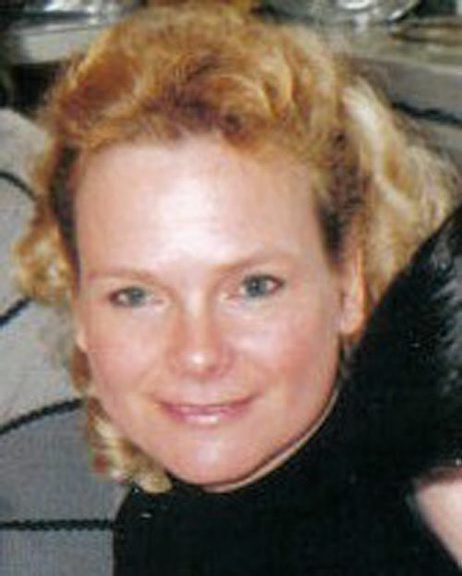
Nicole Piacentini, a 35-year-old white woman from Port Richmond, Philadelphia, was found dead on November 13, 2010. Her body was discovered in the rear of an abandoned building on the 1900 block of East Cumberland Avenue in the Kensington neighborhood. She had been raped and strangled, and her body was partially unclothed. Her death followed a similar pattern to that of another woman, Elaine Goldberg, a 21-year-old white woman, who had been found dead just ten days earlier in a vacant lot in the same area. Both women had histories of drug use, but their families emphasized that this did not diminish the tragedy of their deaths.
Initially, police were uncertain whether the two cases were connected. However, DNA evidence collected from both crime scenes eventually confirmed that the same individual was responsible for both murders. The investigation intensified after a third victim, 27-year-old white woman Casey Mahoney, was found dead on December 15, 2010. The pattern of the crimes—sexual assault followed by strangulation and post-mortem posing—pointed to a serial offender.
The suspect, Antonio Rodriguez, a 23-year-old man, was arrested in January 2011. DNA samples taken from him matched those found on all three victims. Rodriguez confessed to the crimes, initially with hesitation, but later with disturbing pride. He was charged with the murders of all three women and stood trial in August 2012. During the proceedings, the families of the victims gave emotional testimonies. Nicole Piacentini’s stepfather described her as a fighter, referencing the struggle she put up during the attack.
Rodriguez was convicted and sentenced to three consecutive life terms without the possibility of parole. The case drew significant attention in Philadelphia, both for the brutality of the crimes and for the community’s response. Vigils were held in memory of the victims, and their families remained vocal in seeking justice throughout the investigation and trial. Nicole Piacentini, a 35-year-old white woman, left behind four children. Her death, along with those of the other victims, marked a dark chapter in the city’s history and underscored the dangers faced by vulnerable women in neglected urban areas.