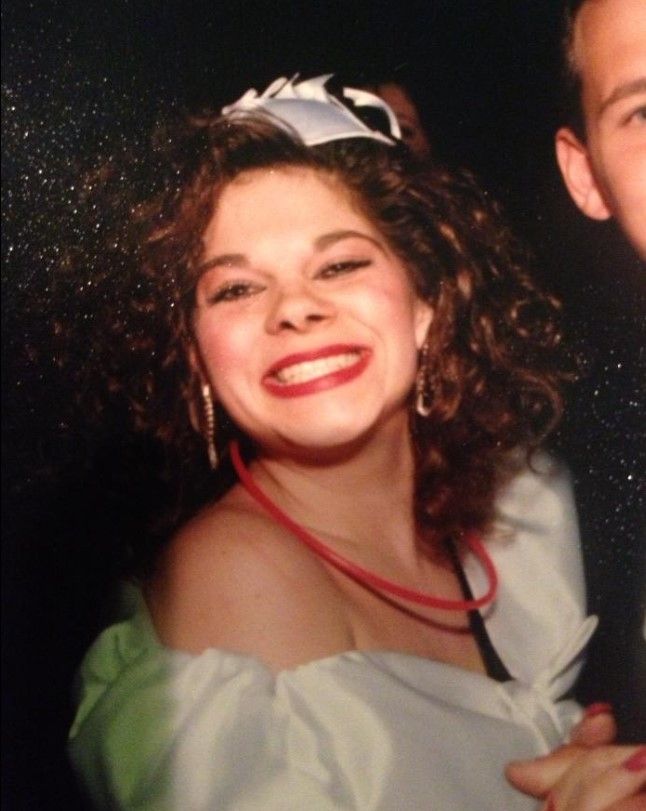
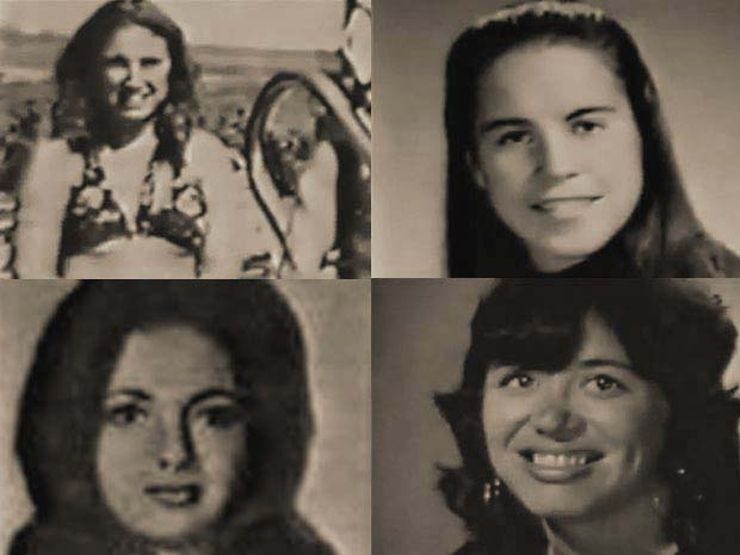
Julie Blackbird was a 29-year-old White woman whose life ended in 1990 after she crossed paths with Long Island serial killer Joel Rifkin. Accounts of what happened to her surface not from a recovered body or a crime scene processed in real time, but from what investigators later said Rifkin admitted—an absence that left her story suspended for years in the space between a missing person and a murder no one could yet prove.
According to narratives drawn from Rifkin’s later
statements, he encountered Blackbird in New York City and brought her back to his home in East Meadow on Long Island, where they spent the night. The next morning, he described erupting into violence, beating her with a heavy table leg and then strangling her. The killing, in these tellings, was sudden and brutal—an act he later portrayed as both impulsive and chillingly familiar.
What followed, investigators say, was an effort to make her disappear. Rifkin described dismembering her and using cement to weigh down parts of her body, placing them into containers and disposing of them in waterways around New York—most often described as the East River and a Brooklyn canal. No remains attributed to Blackbird have been publicly documented as recovered, which meant there was no later discovery to force her name into the headlines the way other cases did. Her fate, as one detailed account bluntly notes, is known largely through Rifkin’s confession, with the physical evidence lost to the water.
The break in the broader investigation into Rifkin did not come from Blackbird’s case, but from a traffic stop that unraveled his entire pattern. In the early hours of June 28, 1993, New York State Troopers noticed a pickup truck on the Southern State Parkway without a license plate; the driver failed to stop, leading to a pursuit that ended in a crash. Troopers searched the vehicle and found the body of Tiffany Bresciani, a sex worker who had gone missing days earlier. That arrest turned Rifkin into the central suspect, and then the self-declared source, for a string of killings across New York.
In court, Rifkin’s legal consequences stacked up around murders that could be charged and proven with recovered victims and corroborating evidence. Public summaries describe a conviction for Bresciani’s murder in 1994, followed by additional guilty pleas in other cases and multiple life sentences that ultimately amounted to a 203-years-to-life term. Blackbird’s name appears in widely circulated lists of his known victims as one whose remains were never found—an enduring detail that helps explain why her story is often told through what Rifkin said he did, rather than through the evidence investigators could later lay out piece by piece.