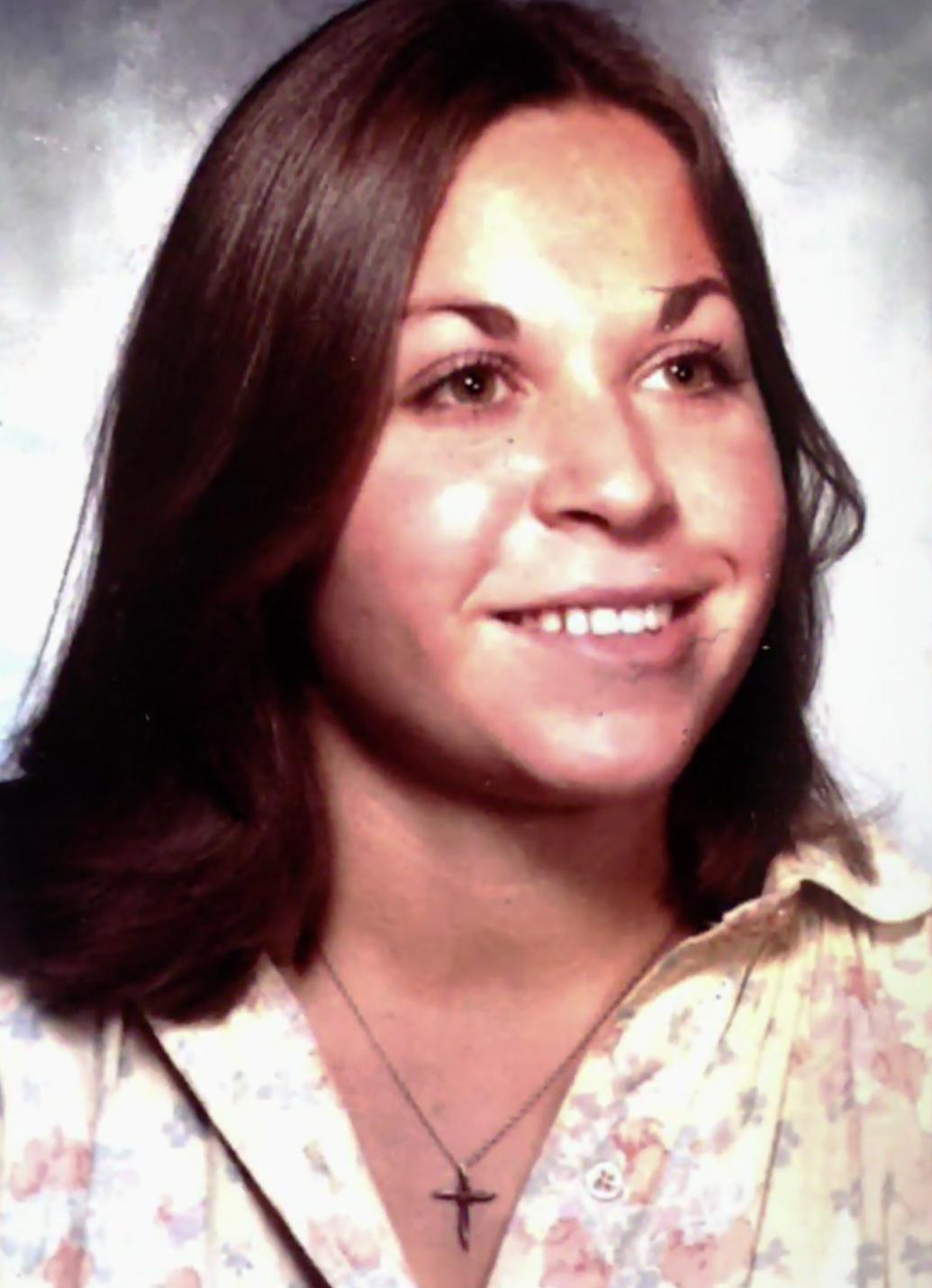
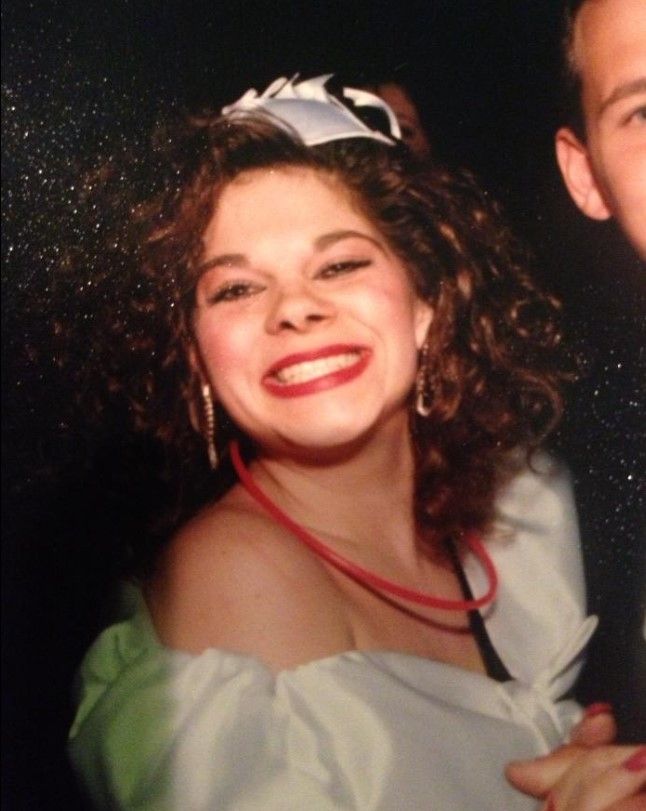
Lorraine Orvieto, a 28-year-old White woman from Long Island, New York, vanished in the days after Christmas in 1991, leaving her family with only a growing dread that something had gone terribly wrong. In time, investigators would link her death to Joel Rifkin, the Long Island landscaper who prowled the region during those years and later admitted he had killed multiple women.
According to accounts later attributed to Rifkin, he encountered Orvieto on December 26, 1991, in the Bay Shore area and killed her by strangulation in his vehicle, parked near a schoolyard fence. Afterward, he used a 55-gallon oil drum as a makeshift coffin, sealing her inside before transporting the barrel to Brooklyn and dumping it into Coney Island Creek—one of several waterways he used to hide what he’d done.
Months passed before the creek gave up its secret. Orvieto’s remains were recovered on July 11, 1992, in Coney Island Creek, but her identity was not immediately known, and the discovery sat in the shadows of the city’s endless caseload. Reports later noted the bitter twist that her family’s missing-person report came after the remains had already been found, compounding the confusion and delay that kept her name from being returned to her for far too long.
The break came the following summer, when Rifkin was finally stopped in the early hours of June 28, 1993, after state troopers noticed his pickup truck on Long Island’s Southern State Parkway without a license plate. He fled, leading officers on a chase that ended when he crashed into a light pole, and troopers discovered the body of another woman in the truck, wrapped in a tarpaulin. From there, the investigation widened, and Rifkin’s subsequent admissions provided the missing link that allowed authorities to identify Orvieto’s remains by July 4, 1993—transforming an unnamed set of bones into a daughter whose family had been waiting for answers.
In court, Rifkin ultimately acknowledged killing Orvieto as part of a guilty plea that also covered two other slayings from the same period; the case that had once been a mystery in the creek was now anchored to a suspect with a name, a face, and a record. He faced second-degree murder convictions and was sentenced to a term described as 203 years to life, with multiple life sentences imposed across the cases tied to his killings.