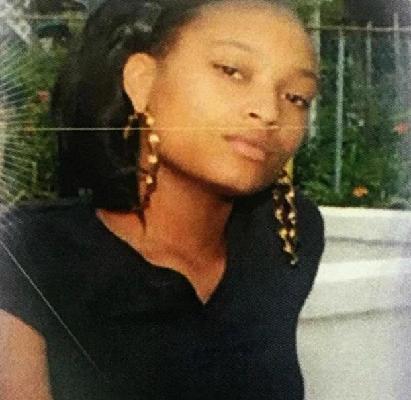
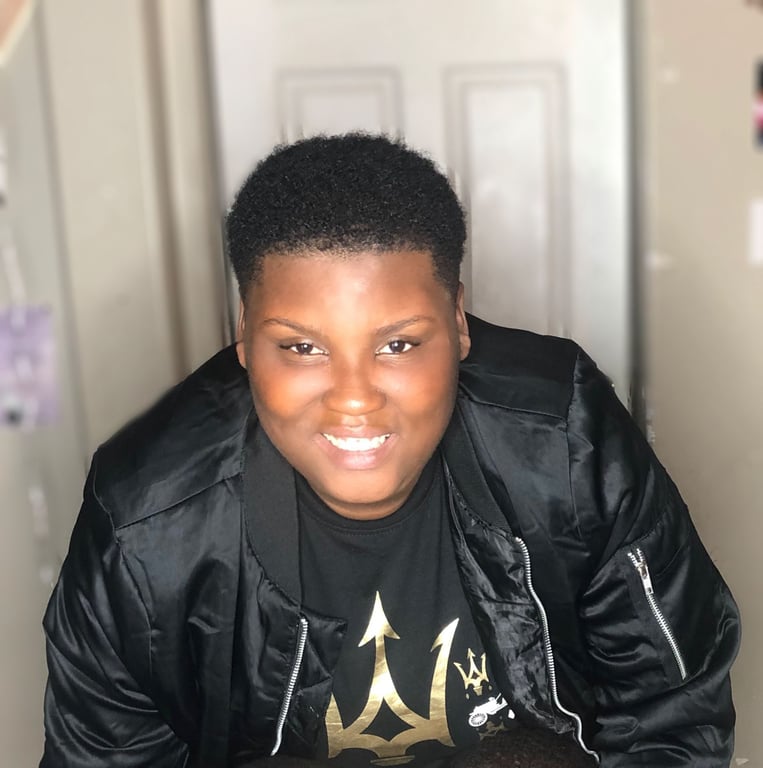
Carolyn Hedgepeth, a 15-year-old Black/African American girl from Wilmington, Delaware, left home with her friend Denise Evans on Friday night, October 24, 1975. By the next day, hunters in a marshy clearing in rural Lower Alloways Creek Township, Salem County, New Jersey—roughly forty miles from Wilmington—found the two teenagers lying close together, each slain by gunfire in a manner contemporaneous reports described as execution-style.
The discovery ended an overnight search and shifted the mystery across state lines, from the city blocks where the girls had last been seen to the flat, isolated salt meadows along the Delaware Bay.
Their murders unfolded amid a tense autumn marked by disappearances and killings of young women in the region. Just weeks earlier in North Jersey, 26-year-old Susan Reynes and 22-year-old Susan Reeve had vanished; all four cases were soon spoken of in the same breath by investigators and reporters because of timing, proximity, and the cold efficiency of the shootings in New Jersey’s Salem County. In that atmosphere, authorities explored whether the Wilmington teens’ murders fit a pattern that would later be associated with serial predator Robert Reldan, whose known activity surged in October 1975; while Reynes and Reeve became central to the case against him, Evans and Hedgepeth were cited in roundups of the spree but were never formally tied to any conviction.
No arrests were made in the killings of Carolyn Hedgepeth and Denise Evans, and decades later Wilmington newspapers would still list their deaths among the city’s most haunting unsolved cases, a reminder of leads chased and exhausted long after the headlines faded. Public cold-case projects in New Jersey likewise continue to catalog the pair as unsolved homicides, preserving the basic facts—the Friday disappearance, the Saturday discovery, the execution-style gunshots—while leaving unanswered who abducted the girls and drove them into the marshes that night.