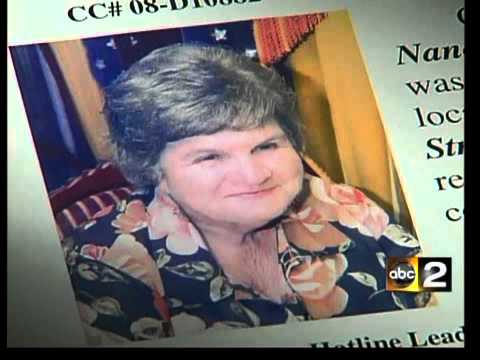
Toni Lynn Ingrassia, a 28-year-old woman from Baltimore, Maryland, slipped out of her family’s day-to-day life as addiction tightened its grip, leaving long stretches where the people who loved her could only hope she would resurface. Accounts tied to her memorial record say her family hadn’t seen her since November 1993, and that—quietly, stubbornly—she had been trying to get clean and start over in the months before she died.
Public death-record listings associated with her name place her death on February 22, 1994, anchoring the end of her story to that winter rather than to later years.
What happened to her after she vanished from view is told in fragments that surfaced later, when investigators and writers retraced a corridor of violence along Baltimore’s industrial edges. In those later summaries, her body is described as having been found in 1994 near Interstate 95, not far from a pallet-company property in southwest Baltimore—an area of dead-end streets, fencing, stacked lumber, and woods close enough to the city’s main routes to be accessible, yet secluded enough to hide what no one wanted found.
The name that keeps returning in connection with that landscape is Joseph Roy Metheny, a Baltimore man who lived and worked at the Joe Stein & Son Pallet Company on James Street, where thousands of pallets were piled across a lot bordered by an eight-foot chain-link fence topped with barbed wire. In court records tied to his later prosecutions, detectives described how Metheny was arrested in the early hours of December 15, 1996, and how, during questioning in an unrelated investigation, he began giving statements that led police deeper into the company grounds and into the wooded margins beside it—places where he said he had killed and buried victims.
As Metheny’s case unfolded, authorities linked him to other killings through evidence strong enough to secure convictions, including a murder for which he received life without the possibility of parole and a separate case in which he admitted to killing and robbing Catherine Magaziner after taking her to his trailer at the pallet-company site and burying her in a shallow grave. Those prosecutions created a grim framework investigators tried to apply to other deaths from the same era—women whose disappearances and recoveries fit a similar pattern, and whose names had begun to circulate as the scope of Metheny’s claims and suspected crimes widened.
Within that widening investigation, Metheny was indicted for the killing of Toni Lynn Ingrassia, and public summaries of the case repeatedly note that prosecutors ultimately dropped those charges for lack of evidence. The result is a haunting split in the public record: her name persistently appears beside his in discussions of what he may have done, yet the court outcome left her without a resolved case in the way the confirmed prosecutions did—no trial verdict establishing responsibility for her death, and no conviction recorded for her killing in the sources that describe the indictment being abandoned.