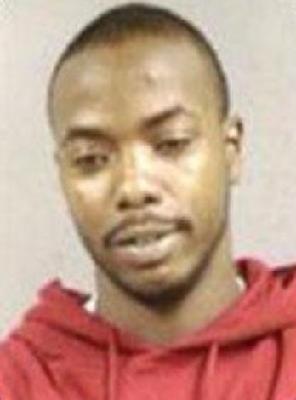
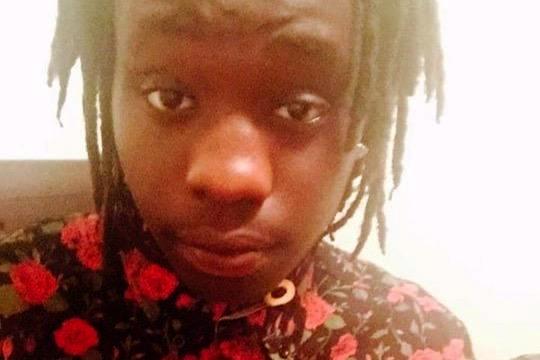
Late on May 22, 2012, Dywan Williams, 37, a Black male, was attacked outside the Jackson Tower apartments near 27th Street and Saint Marys Avenue in midtown Omaha. Police and medics were called just before midnight; Williams was rushed to Creighton University Medical Center, where he was pronounced dead shortly after, in the early hours of May 23. Another man, Antwon Williams, 31, was also stabbed during the same encounter but survived his injuries.
The scene and timing focused detectives on a single chaotic confrontation that spilled onto the sidewalk by 600 South 27th Street, drawing neighbors to their windows and leaving blood on the concrete as cruisers lights washed the brick fa ade.
Officers quickly identified a suspect at the scene, 35-year-old Cory C. Bewley, who had minor wounds consistent with a knife fight. He was detained and taken to the Nebraska Medical Center while investigators processed the block for evidence and interviewed witnesses. By the following day, local reports described the case as a homicide and noted Bewley s arrest on suspicion of carrying out the stabbing that killed Dywan and injured Antwon. The immediate narrative emerging from police and news briefings was stark: a street-level dispute that turned lethal in minutes, with the alleged assailant found nearby and two members of the Williams family left on the ground one fighting for his life and one already slipping away.
In the months that followed, prosecutors pursued the case against Bewley. He ultimately entered a guilty plea to second-degree murder in Douglas County District Court and received a sentence of 40 to 60 years in prison. Nebraska s appellate courts affirmed the conviction and sentence in 2014, and a later federal habeas filing was dismissed in 2017, leaving the state court judgment intact. With those rulings, the legal record settled the question of who was responsible for Dywan Williams s death, even as the memory of that late-night fight still lingers in the neighborhood where it happened.
Williams s obituary marked his passing on May 23, 2012, the day after the late-night stabbing, aligning with the medical timeline conveyed by first responders. It listed the services that would follow in early June, details that quietly underscored a family s scramble to mourn while the criminal case gathered momentum. Though brief, that notice stands as the final public word from those closest to him an anchor point for a violent event that began one spring night and reverberated through courtrooms for years.