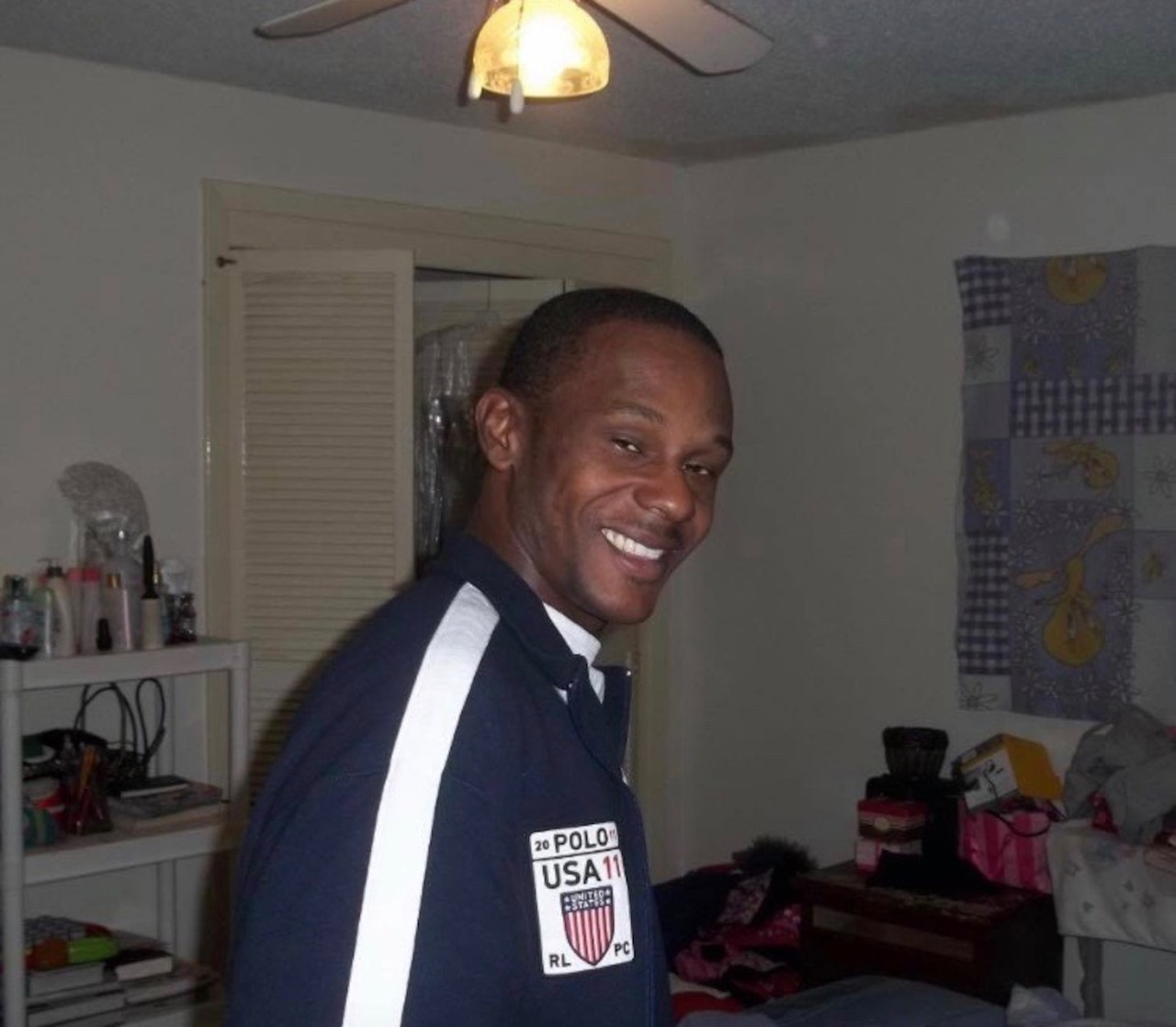
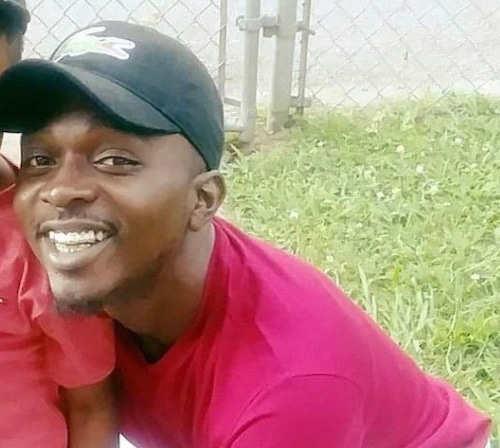
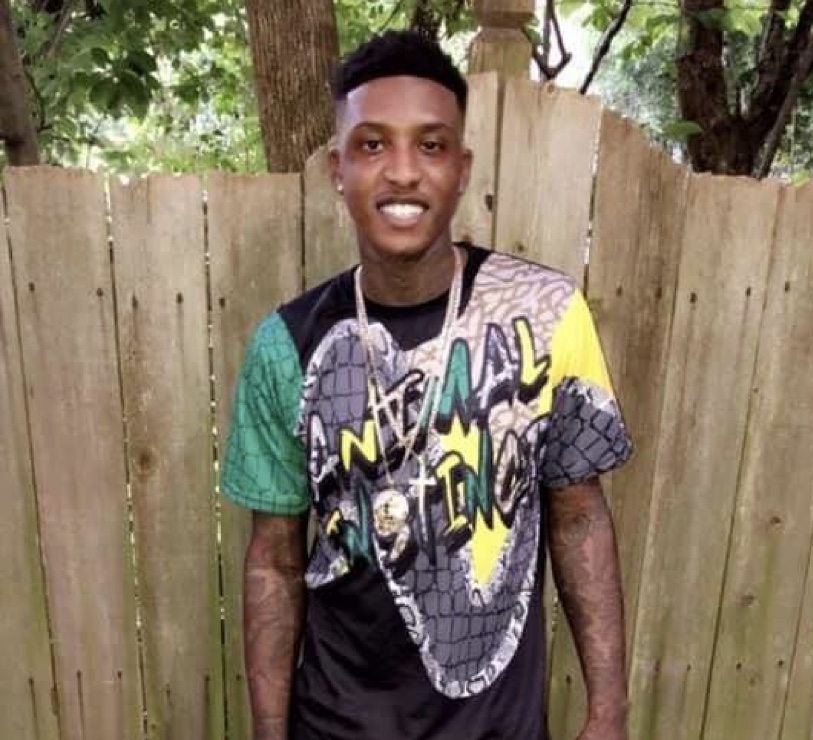
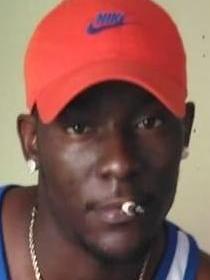
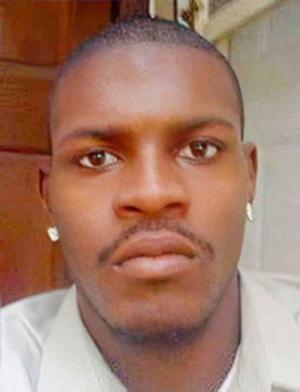
Tywaun Perkins, a 33-year-old Black man from Birmingham, Alabama, was killed on October 31, 2013, in a burst of violence that turned an ordinary stop for gas into a deadly ambush. That Halloween night, around 8:30 to 8:40 p.m., police were called to 74 6th Avenue South, where Perkins had been shot at an Exxon gas station. Witness accounts said he had been pumping gas when a gunman emerged from behind an alley and opened fire, reportedly using a rifle.
Even after being hit, Perkins managed to make it inside the store before collapsing from multiple gunshot wounds.
What makes the case linger is the suddenness of it. By the public accounts that surfaced afterward, the shooting did not unfold as a confrontation in open view so much as a planned attack that came without warning. The descriptions consistently paint the scene as an ambush, with the shooter approaching from a concealed direction and firing before Perkins could react. In the aftermath, Perkins’s death left behind a grieving family, including his wife and children, while police appealed to the public for help identifying whoever pulled the trigger.
As for suspects, the public reporting from the time identified the shooter only in the broadest terms as a Black male seen coming from behind the alley. No name was released in the reporting located, and the later Crime Stoppers coverage made clear investigators were still trying to learn who was responsible. The case was presented as one in which “word has spread” in the community, suggesting police believed someone knew more than had been shared, but they were still dependent on tips to move the investigation forward. A reward was publicized for information leading to an arrest and conviction.
Based on the online sources reviewed, there is no public indication in those sources that an arrest, charge, trial, or conviction was announced in Perkins’s killing. Instead, the case continued to appear in unsolved-homicide and cold-case style postings tied to Birmingham police information, reinforcing the impression that it remained open long after the shooting itself. In that sense, the story of Tywaun Perkins ends not with a courtroom answer, but with a man gunned down at a gas pump, a family left to bury him, and a case that public sources still frame as unanswered.