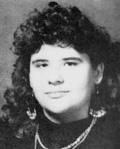
Lily Amlie, age 89, female, was a resident of the Kearsley Home, Christ Church Hospital, a nursing facility in Philadelphia, Pennsylvania, when she was found dead in her room on June 1, 1983. Some case listings give July 1, 1983, as the date of death, but accounts of the Anthony Joyner investigation place her discovery on June 1. At first, her death did not bring the alarm it should have.
Amlie was elderly and reportedly had heart problems, and in the quiet routines of the nursing home her death was treated as natural rather than as part of something far more dangerous unfolding inside the facility.
The later investigation revealed that Amlie's death was one in a series of attacks on elderly women at Kearsley Home in 1983. Several residents had been found dead in their beds or rooms over a period of months, and early deaths were not immediately recognized as homicides. Suspicion sharpened after two more women, Eugenia Borda and Mildred Alston, were found dead on July 19, 1983. Medical findings in those cases showed evidence of sexual assault and violence, prompting police and medical examiners to take a closer look at earlier deaths that had been dismissed or inadequately investigated.
Authorities focused on Anthony Joyner, a former kitchen worker at the home. Investigators believed the killer knew the building and its routines well enough to move through the facility without drawing attention. Joyner was arrested on August 1, 1983, after the deaths of Borda and Alston, and police said he confessed during questioning. As the investigation widened, bodies of earlier victims were exhumed, including Amlie's. Autopsy findings and Joyner's statements tied him to additional deaths. Amlie's death was later treated as a homicide, with accounts describing her as having been raped and killed, and one account states that she had been drowned in her bathtub.
Police said Joyner was connected to the deaths of six elderly women at Kearsley Home: Margaret Eckard, Kathryn Maxwell, Elizabeth Monroe, Lily Amlie, Eugenia Borda, and Mildred Alston. Reports also said investigators examined whether he could have been responsible for additional suspicious deaths at the nursing home, but the confirmed criminal case centered on the six women. Joyner's defense challenged the prosecution's case and disputed his confessions, arguing that they were unreliable and coerced.
At trial in 1984, Joyner faced charges including murder, rape, and burglary. He was convicted in connection with the six killings, including Amlie's. A jury could not agree on imposing the death penalty, so he avoided execution. He was ultimately sentenced to six consecutive life terms for the murders of the elderly women who had been attacked in their rooms at the Philadelphia nursing home.