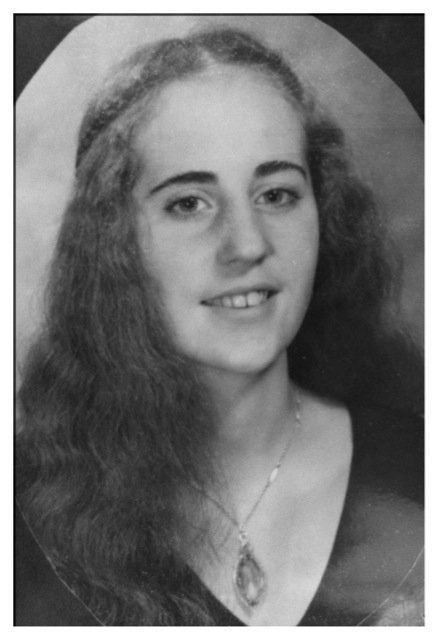
Sherrie Ann Carville was a 17-year-old female from Johnstown, New York, described in sources as White. On October 22, 1978, she vanished after being kidnapped from a bar in Johnstown. Investigators would later conclude she had been taken to property connected to the killer’s family, where she was raped and stabbed, her body left out in the open until it was finally found about a year later.
With no clear answers at first, the case lurched toward what looked like a breakthrough when another Johnstown-area man, 32-year-old Albert J. Baird, was arrested after allegedly confessing that he had killed her. For months, suspicion narrowed around him as the community tried to make sense of why a teenager had never come home. But the confession did not hold up the way authorities needed it to, and after roughly six months in detention he was cleared and the case against him collapsed, leaving the murder unresolved again.
The case changed course the following summer, after a separate violent crime brought state police face-to-face with John William Hopkins. On August 16, 1979, while investigators were working a reported kidnapping and stabbing from the day before, Hopkins was interrogated and then arrested in that investigation—before he was arraigned, questioning continued, and he gave oral and written confessions that reached beyond the immediate case. In those statements, he confessed to the rape and murder of Sherrie Ann Carville, and also to the rape and murder of another teen in 1976.
Hopkins later tried to pull those admissions back. In court filings and appeals, he argued that his early contact with police had amounted to an illegal seizure and that the confession should be suppressed, raising additional fights over interrogation tactics and a lie-detector examination that occurred before he began incriminating himself. The appellate decision recounting the procedural history describes how the Carville confession was taken during the morning and early afternoon of August 16, 1979, after Hopkins had been arrested in the other matter but before arraignment, and it details how the courts ultimately found no basis to exclude what he’d said.
That confession became the spine of the prosecution. Hopkins was tried on the Carville crimes and convicted in Fulton County of rape in the first degree and two counts of murder in the second degree for what happened to Sherrie Ann Carville on October 22, 1978. The conviction was later affirmed on appeal, cementing the official conclusion that he—not Baird—was responsible for her death.
In later years, Hopkins’ name was tied to a broader pattern of attacks and killings in the Mohawk Valley region, and he was serving consecutive life sentences when he died by suicide in prison. Long after his convictions, the shadow of Sherrie Ann Carville’s murder remained part of the record cited by investigators and prosecutors as they revisited other cold cases linked to him.