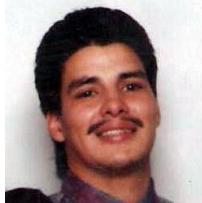
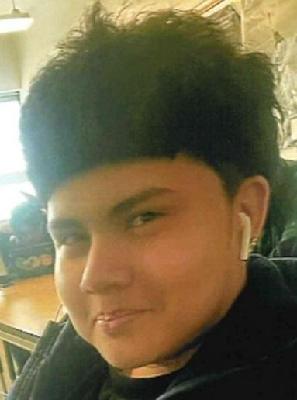
On July 30, 1992, 51-year-old Joseph Soliz, a Hispanic man, was inside his west Denver home when two intruders forced their way in and opened fire, fatally shooting him during a sudden and violent home invasion. The attackers burst into the residence, unleashing gunfire that left Soliz mortally wounded before they fled back into the city streets, leaving behind a shattered home and a stunned neighborhood.
In the wake of the shooting, investigators documented a scene that spoke of speed and ruthlessness: two assailants, no apparent warning, and no sign that Soliz had any real chance to defend himself or escape the gunfire that ended his life.
In the months and years that followed, the case lingered in an uneasy limbo. Detectives searched for leads but initially had no clear suspect to tie to the attack, and there were no immediate arrests connected to the killing. Publicly available accounts describe the case as unsolved for years, with authorities unable to bridge the gap between a violent assault by two unidentified gunmen and the kind of concrete evidence needed to bring anyone into court for Soliz’s death. For his family and community, the homicide became one more unsolved Denver killing from the early 1990s, with few answers as to why armed men had stormed his west-side home and taken his life so abruptly.
Nearly a decade later, the story of Soliz’s death took a dramatic turn when convicted killer Marvin Gayle Gray began confessing to a long series of violent crimes while already serving multiple life sentences. During interviews with Denver authorities around 2001, Gray claimed responsibility for numerous killings spanning from the 1970s to the early 1990s, including the 1992 shooting of Joseph Soliz in Denver. Public reports describe how Gray portrayed the attack as a two-man job, with himself and another individual bursting into Soliz’s west Denver house and opening fire, mirroring the original description of the crime.
On the strength of these confessions, investigators and prosecutors formally connected Gray to the homicide, and he was charged in the shooting deaths of both Soliz and another victim, Joseph Didier. But the case against him in Soliz’s killing never reached a lasting conclusion. Contemporary summaries of the investigation note that authorities were skeptical of some of Gray’s many self-incriminating claims, and while he faced a murder charge in connection with Soliz’s death, that charge was later dropped. Gray ultimately remained imprisoned for other violent offenses, and no one has ever been convicted specifically for the killing of Joseph Soliz. As a result, despite a prominent suspect and a dramatic jailhouse confession, the homicide still stands in the public record as a crime whose legal resolution never fully matched the brutality of the night when two gunmen stormed a Denver home and took his life.