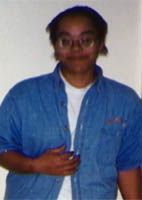
In the winter of 1987, the body of a 30-year-old White female named Carmeline Renee Hibbs was discovered in a parking lot in Kansas City, Missouri. On the cold night of December 19, a motorist spotted her in a lot located on Broadway. She had been strangled to death and was found without her shoes, a detail that would later align with the patterns of a serial offender operating in the area.
Investigators processed the scene and collected biological evidence, but forensic technology at the time was not advanced enough to immediately identify a perpetrator. The case eventually went cold, leaving her death unsolved for nearly two decades as detectives struggled to find a solid lead.
Years later, the emergence of advanced DNA profiling breathed new life into the investigation. Kansas City police revisited the evidence collected from Hibbs's body and the scenes of several other unsolved homicides from the same era. The biological material was entered into a database, resulting in a match to Lorenzo Gilyard, a local man who had worked as a trash company supervisor. Authorities realized they were dealing with a serial killer who had been active between 1977 and 1993, targeting women in the Kansas City area. In April 2004, police arrested Gilyard and charged him with multiple counts of first-degree murder, including the death of Hibbs.
Gilyard, dubbed the 'Kansas City Strangler,' stood trial in March 2007. In an effort to avoid the death penalty, his defense team negotiated a bench trial, meaning a judge rather than a jury would determine the verdict. Prosecutors presented compelling DNA evidence linking Gilyard to Hibbs and other victims, arguing that the presence of his genetic material on the bodies confirmed his guilt. The defense attempted to argue that the physical evidence only proved sexual contact, not murder, but the argument failed to sway the court.
On March 16, 2007, the presiding judge found Lorenzo Gilyard guilty of six counts of first-degree murder, including the murder of Carmeline Hibbs. During the sentencing hearing the following month, family members of the victims were given the opportunity to address the court and the killer. The judge sentenced Gilyard to life in prison without the possibility of parole, ensuring he would spend the remainder of his days incarcerated for the streak of violence that claimed Hibbs and many others.