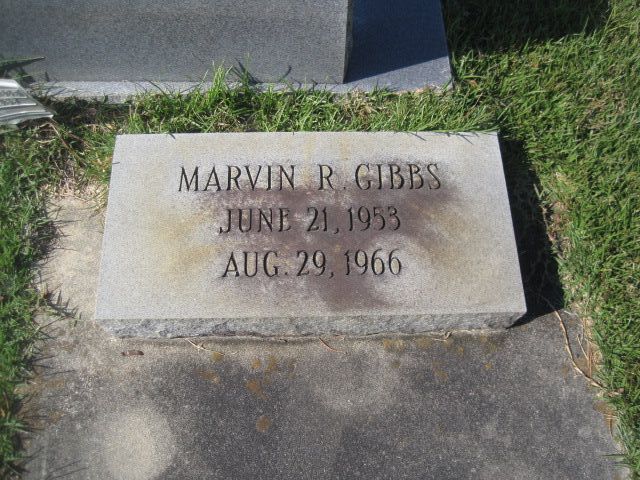
In the small town of Cordele, Georgia, the Gibbs family was known for their devotion to the church and their seemingly ordinary lives. However, beneath the surface of this tranquil existence, a dark and tragic story was unfolding. Marvin Ronald Gibbs, a 13-year-old boy, became an unsuspecting victim in a series of horrific events that would shatter the community's perception of his mother, Janie Lou Gibbs. On August 29, 1966, young Marvin suddenly fell ill and died. His death was officially attributed to hepatitis, a seemingly plausible explanation at the time, especially following the recent death of his father, Charles Clayton Gibbs, which had been ascribed to a liver disease.
The community rallied around the grieving mother, offering their support and condolences, unaware of the sinister truth. Janie Lou, a woman who ran a daycare from her home and was a dedicated churchgoer, played the part of the bereaved matriarch with chilling proficiency. In the wake of her husband's and then her son's death, she collected life insurance payouts, a portion of which she dutifully donated to her church, further solidifying her image as a pious and upstanding member of society.
The string of tragedies within the Gibbs family, however, did not end with Marvin. In the months that followed, Janie Lou's other sons, Melvin and Roger, and even her infant grandson, Ronnie, would all meet similar and untimely ends under suspicious circumstances. The alarming pattern of deaths eventually raised red flags, prompting an investigation that would unearth a horrifying secret. An autopsy performed on her eldest son, Roger, revealed the presence of a lethal amount of arsenic. This discovery led to the exhumation of the other family members, including young Marvin, and the subsequent autopsies confirmed they had all been systematically poisoned with arsenic.
The shocking revelation led to the arrest of Janie Lou Gibbs on Christmas Eve of 1967. She later confessed to the murders of her husband, her three sons, and her grandson. Though she offered no clear motive for her actions, it was revealed that she had collected tens of thousands of dollars in life insurance money from their deaths. Initially found mentally unfit to stand trial, Janie Lou was committed to a state mental hospital. She was eventually deemed competent and, in 1976, was convicted of the five murders and sentenced to five life terms in prison. After serving years behind bars, she was granted a medical release in 1999 due to a diagnosis of Parkinson's disease and died in a nursing home in 2010.