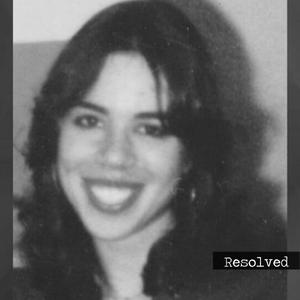
Pearl Fitzsimmons, a 67-year-old White woman from Eggertsville, New York, was dead inside her home on January 12, 1969, in a scene that also claimed the life of her husband, William J. Fitzsimmons. Later records would frame her death as the start of a grim chain of events that began behind a family’s closed door and quickly spilled into courtrooms, psychiatric wards, and years of public unease.
What happened in that house was described as an assault carried out by the couple’s only child, George Fitzsimmons, after a dispute that turned explosive. Accounts tied to the case describe an argument over attending church, followed by a violent attack in which both parents were bludgeoned, including references to a souvenir tomahawk and the use of “karate chops.” In the aftermath, George fled with one of his father’s cars, and the killings went undetected until concerned neighbors discovered the bodies days later.
Investigators moved quickly once the deaths were discovered, and the search narrowed to George. The trail described in later summaries shows him traveling out of state—staying in Attleboro, Massachusetts, and then moving on—before an attempt to transfer money by telegram to a Buffalo bank helped bring police to him. He was ultimately apprehended, returned to New York, and faced murder charges for both deaths.
The legal record shows that George Fitzsimmons was indicted and brought to trial in Erie County, but the case did not end with a conventional verdict. In a bench trial, the presiding judge found him innocent by reason of insanity and ordered him committed to the custody of the Commissioner of Mental Hygiene at Buffalo State Hospital. The same court record describes extensive psychiatric testimony: defense experts diagnosed him as psychotic, including a diagnosis recorded as “schizophrenic reaction, paranoid type,” while the State’s expert acknowledged mental disease but disputed that he was legally insane at the moment of the assaults.
Even after the criminal case turned on insanity, the deaths did not stop haunting the courts. In later proceedings over the estates, the question became whether George—named as the sole distributee—could inherit from the parents he was said to have assaulted. The Surrogate’s Court, weighing the earlier insanity finding and the psychiatric record, concluded he was exculpated from legal liability due to legal insanity and therefore entitled to inherit, noting that none of the other potential distributees pressed objections to his inheritance rights.
For Pearl Fitzsimmons, that meant her story ended in violence, but the ripples continued: a son identified as the suspect, an arrest and indictment, a murder trial that resulted in an insanity acquittal and psychiatric commitment, and a later ruling that allowed him to take from the estates. Years afterward, George Fitzsimmons would become known for later killings in Pennsylvania that led to convictions and life sentences, a dark epilogue that kept the 1969 deaths from fading quietly into history.