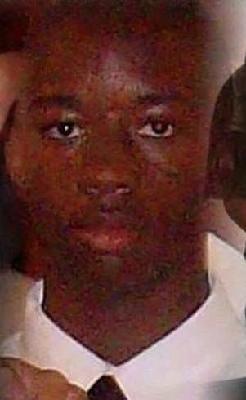
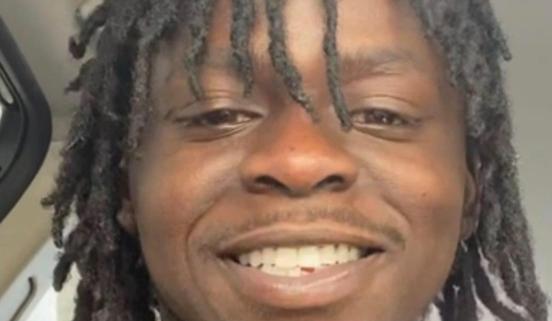
Terrell Wilson, a 21-year-old Black man, was killed in the early morning hours of May 23, 2014, while he slept on a couch inside a small home on South Surrey Drive in North Charleston, South Carolina. It was just after 5 a.m. when the quiet of the house was broken by gunfire from outside. Bullets tore through the structure, and one round struck Terrell as he lay asleep in the living room.
First responders and investigators arrived to find him gravely wounded; he was pronounced dead at the scene, his life ending before the day had fully begun.
The shooting appeared to be a targeted act carried out from the darkness beyond the walls of the home. Investigators determined that at least two shots had been fired into the residence from outside by an unknown assailant, with no signs of an altercation inside and no indication that Terrell ever had the chance to wake up or protect himself. The scene suggested a terrifying randomness for those inside, a sense that the danger had come without warning, striking through what should have been the safety of four walls and a familiar couch. In the immediate aftermath, police publicly stated that there were no suspects and no one in custody, and they turned to the community for help, asking anyone with information to call Crime Stoppers in hopes that a neighbor’s memory or a whispered rumor might lead them toward the person who fired those shots.
Beyond the brief language of crime reports, Terrell’s life emerges more clearly in the way his family and friends chose to remember him. Online memorials and obituary notices recall him by his full name, Terrell Lawrence “Babe Lo” Wilson, and speak of a young man whose “loving smile” and “gentle” presence left a deep impression on those around him. He is remembered as funny and energetic, someone who loved children and family and who moved through his short life with a warmth that made people want to be near him. His nickname, “Babe Lo,” appears again and again in tributes, a sign of how closely woven he was into his community and how much affection surrounded him while he was alive and after he was gone.
His funeral was held on May 31, 2014, at St. Matthew Baptist Church on Reynolds Avenue in North Charleston, where relatives, friends, and neighbors gathered to mourn and to try to make sense of a death that felt both sudden and senseless. The service was followed by burial in Monrovia Cemetery, a resting place for many Charleston families. Obituary notices list his parents, Carma and Dwight, along with brothers, sisters, and close friends who described missing his smile and presence as time went on, the ache of his absence growing rather than fading with the years. For them, the dates on the page—August 24, 1992 to May 23, 2014—mark not just a lifespan but the abrupt end of a story that had barely begun.
On the investigative side, publicly available reports from the time emphasize the unknowns: the shooter was described only as an unidentified person outside the home, and police acknowledged that they had no suspects to name. There is no widely accessible follow-up coverage documenting an arrest, trial, or conviction in connection with the shooting, and the case is chiefly remembered in news archives and memorial pages for the brief facts of that morning and the profound loss felt by Terrell’s family and community. In the absence of answers about who fired the shots or why, what remains in the public record is the image of a young man asleep on a couch, a family shattered by violence, and a community left with unanswered questions about a life taken in an instant.