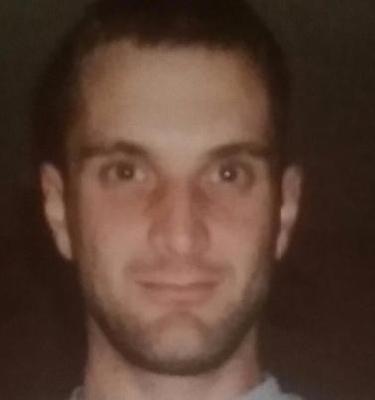
In the autumn of 1983, the skeletal remains of a young man were discovered by a man setting fox traps in a rural area of Jasper County, Indiana. Authorities determined the remains belonged to a white male, estimated to be between 18 and 26 years old with reddish-brown hair, and that he was the victim of a homicide. For years, the young man remained unidentified, a nameless victim in a cold case.
A decade later, a break in the case came from an unlikely source. In 1994, convicted serial killer Larry William Eyler, before succumbing to AIDS-related complications in prison, confessed to the murder of the unidentified man, along with 20 other young men and boys. Eyler told his attorney that he had picked up a hitchhiker, possibly a college student, near Vincennes, Indiana, along US Route 41 around the weekend of November 20, 1982. He recounted driving the young man several hours north to Jasper County, where the remains were later found. Based on this confession, authorities attributed the murder to Eyler, though the victim's name remained a mystery.
Decades passed until advancements in forensic science offered a new path to identification. In 2021, through the use of forensic genetic genealogy, the unidentified victim was confirmed to be William Joseph “Bill” Lewis, a 19-year-old from Peru, Indiana. Lewis was described by his family as a quiet person who had played football in high school. He had last been seen by relatives in early 1982 after attending a friend's funeral in Texas and was believed to be hitchhiking back to Indiana. Eyler, who was convicted of two homicides and sentenced to death, died in prison on March 6, 1994. With Eyler's death, the legal proceedings in the murder of William Lewis came to a close. Following his identification, Lewis's family was able to hold a memorial service and lay him to rest next to his father in Peru, Indiana, finally bringing a measure of closure to a nearly four-decade-long ordeal.