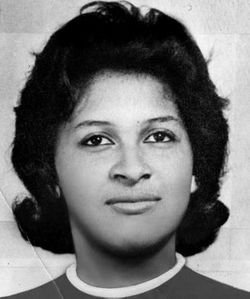
Sophie Clark, a 20-year-old African-American woman, was tragically murdered on December 5, 1962, in Boston, Massachusetts. A student at the Carnegie Institute of Medical Technology, Sophie was known for her ambition and dedication to becoming a nurse. She was described as a kind and reserved individual who was deeply involved in her community and church. On the day of her death, Sophie was found strangled in her apartment at 315 Huntington Avenue.
Her body was discovered by her roommate, Gloria Todd Stanton, who had been working late that evening. Sophie had been writing a letter to her long-distance boyfriend when the attack occurred. The crime scene revealed that she had been sexually assaulted, and her own nylon stockings were used as the murder weapon.
Sophie's murder was linked to the infamous 'Boston Strangler,' a serial killer responsible for the deaths of 13 women in the Greater Boston area between 1962 and 1964. Albert DeSalvo, who later confessed to the murders, was suspected of being the perpetrator. However, there was initial skepticism about whether Sophie, the only Black victim at the time, was one of DeSalvo's targets. Investigators debated the connection, and the District Attorney's office noted that two additional Black victims were not conclusively linked to the case. Despite these uncertainties, DeSalvo's confession and subsequent DNA evidence tied him to other victims, solidifying his association with the Boston Strangler crimes.
The investigation into Sophie's murder highlighted the challenges of the time, including jurisdictional complexities and public fear. Sophie's cautious nature, such as her insistence on additional locks for her apartment, underscored the pervasive anxiety among women in Boston during the Strangler's reign. Witness accounts from neighbors described a suspicious man in the building around the time of the murder, but these leads did not result in a definitive identification. The case remains a poignant reminder of the terror inflicted by the Boston Strangler and the enduring impact on the victims' families and communities.