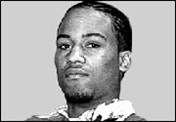
Kyoung S. Lee, 32, whose gender was not stated in public notices, is remembered in the public record through the kind of details that families lean on when everything else feels unreal: the date of loss, the gathering of loved ones, and the tender routines that follow grief like a shadow. Their death occurred on January 7, 2008, connected to the Kansas City area, and they were also described as being from Olathe, Kansas. In the days that followed, people were given a time and a place to come together—an evening visitation, then a funeral service, then burial at Pleasant View Cemetery—simple coordinates on a map for those trying to find their footing again.
If you picture those hours, you can almost hear the soft cadence of arriving footsteps and the hush that falls over a room when someone beloved is no longer there to fill it with their presence. The visitation, set for a Thursday evening, would have carried the quiet weight of first embraces, hands held a little longer than usual, and stories offered in fragments—each one a small attempt to keep Kyoung close, if only for a moment. The funeral service the next day, scheduled for late morning, would have drawn together everyone who had a reason to miss them: family, friends, coworkers, neighbors—people who knew different versions of the same person, all suddenly united by the same absence. And after, at the cemetery, grief would have taken on its most tangible form as the final goodbye settled into the earth.
Yet alongside those intimate, human details is a second, colder trace: an online listing that suggests Kyoung’s death may have been considered a homicide, linked in some way to Kansas City law enforcement, but without the narrative that would explain what happened, why it happened, or how such a conclusion was reached. It offers no clear circumstances, no publicly named suspect, and no timeline that a reader can follow from that night into the days and years after. It’s the kind of entry that raises questions and then leaves them unanswered, a single line that feels heavy precisely because it provides so little.
What remains, then, is a story shaped as much by what is missing as by what is known. There are no public details here about an arrest that brought relief or a trial that laid out the truth in a courtroom. There are no confirmed suspects described, no charges listed, no conviction that resolves the ache of uncertainty. Instead there is the reminder that, for some deaths, the public sees only the outer edge: the moment a name becomes an obituary, the gathering of mourners, the quiet procession toward burial, and a lingering suggestion—unexplained and unresolved—that the end may have come by someone else’s hand. And through it all, the most enduring truth is the simplest one: Kyoung was here, they mattered to people who showed up to say goodbye, and their absence left a space that could not be filled.