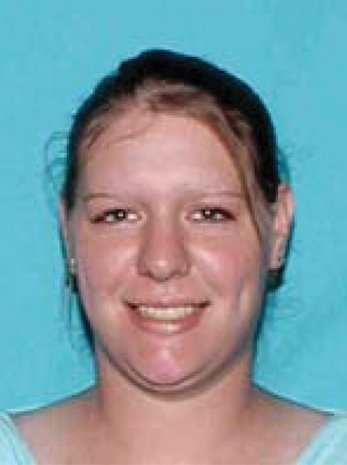
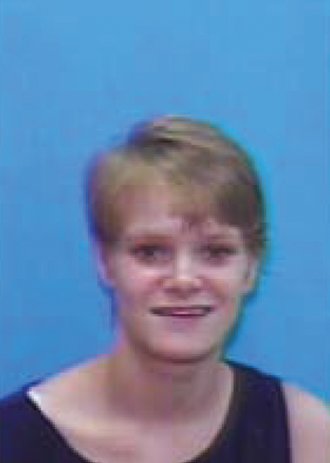
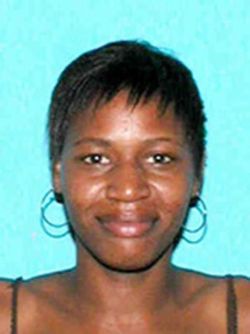
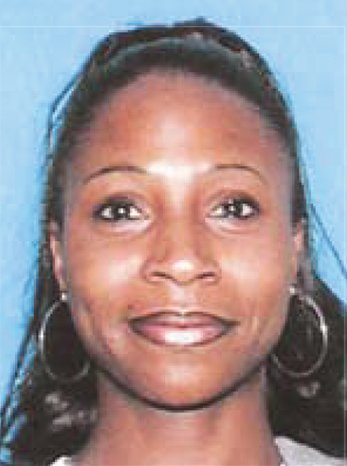
Brittney Gary, a 17-year-old White female from Jennings, Louisiana, vanished after what should have been an ordinary errand. On Sunday evening, November 2, 2008, she was seen at a Family Dollar store making a purchase; it was the kind of quick trip her mother expected would take about half an hour, the kind of trip that ends with a door opening and a familiar voice calling out from the other room. Instead, the minutes stretched into silence.
Calls went unanswered, and the feeling that something had gone terribly wrong settled in fast.
In the days that followed, her mother, Teresa Gary, refused to let the town forget Brittney’s name. She organized search parties, posted missing flyers, and pleaded for help while people combed the roads and ditches around Jennings, a place already shadowed by earlier deaths. Then, on November 15, 2008, the search ended in the way families pray it won’t: Brittney’s body was found dumped and hidden just off a roadway outside town. Reports describing the discovery note that decomposition had set in, underscoring how long she’d been out there, unseen, while the people who loved her kept looking.
Brittney’s death is widely discussed as part of the string of killings known as the Jeff Davis 8, a series of eight women found dead between 2005 and 2009 in and around Jennings and nearby areas. Much of what investigators could prove was blunted by time, weather, and the condition of remains; in multiple cases, bodies were discovered in states of advanced decomposition, complicating determinations about how the victims died and what evidence might have been left behind. Even so, accounts from those who knew the victims and those who chronicled the case describe overlapping social circles and ties to drugs and prostitution that ran through the same blocks, the same motels, the same late-night routines—details that shaped how the women were seen, and how urgently some believed they were pursued.
As for arrests and suspects, the story is a tangle of names that surface and recede without ever hardening into a courtroom conclusion. Frankie Richard and his niece, Hannah Conner, were arrested in 2007 and charged with second-degree murder in the death of another victim in the same broader series ; both were later released, with reporting attributing the outcome to a lack of conclusive evidence and charges being dropped or not sustained. Richard was repeatedly described in coverage of the larger investigation as a person of interest connected to the victims’ world, but the case did not produce convictions tying him—or anyone else—to Brittney’s killing.
Other figures were mentioned over the years in connection with what witnesses claimed they saw in Jennings: one widely reported allegation held that a witness saw Brittney getting into a vehicle driven by a man named Danny Barry on the night she was last seen, though later reporting also notes Barry denied knowing her and has since died. These threads—arrests that went nowhere, accusations that couldn’t be sealed with proof, and rumors circling around law enforcement and local power—became part of the tragedy’s afterlife: a town haunted not only by what happened to Brittney, but by the sense that the answer is close enough to name and yet still out of reach.