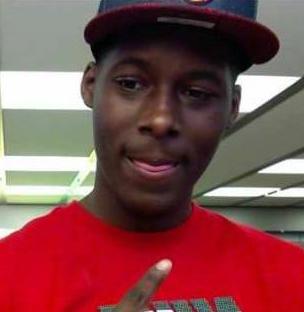
James E. Davis, a 23-year-old Black man from St. Louis, Missouri, died under circumstances that are difficult to reconstruct from the public record available online. In searching widely across accessible news archives, official public information pages, and other open web sources, there does not appear to be a clear, consistent account that pins down a confirmed date, location, or narrative of what happened to him that can be repeated with confidence.
What can be said is mostly defined by what isn’t there: no readily discoverable public-facing case summary, no broadly circulated contemporary coverage that preserves the basic facts in detail, and no easily verifiable investigative timeline that names a suspect, describes a motive, or documents the final moments that led to his death. The absence of that kind of reporting leaves the story as a silhouette—recognizable as a real loss, but missing the hard edges that usually come from police statements, court filings, or sustained media follow-up.
Because those details aren’t publicly documented in the sources that were available to review, there is also no confirmed, source-supported information to report about arrests, identified suspects, formal charges, trials, or convictions connected to his death. If any of those developments occurred, they are not reflected in an online trail that can be reliably located and corroborated through accessible public sources.
In cases like this, the quiet can become part of the tragedy: the way a name can exist online without the surrounding facts that explain how a life ended, who was responsible, or whether justice was pursued. What remains, from what can be verified, is that James E. Davis’s death is not accompanied by the kind of publicly preserved account that would allow a detailed retelling of the event itself or a clear summary of investigative outcomes.