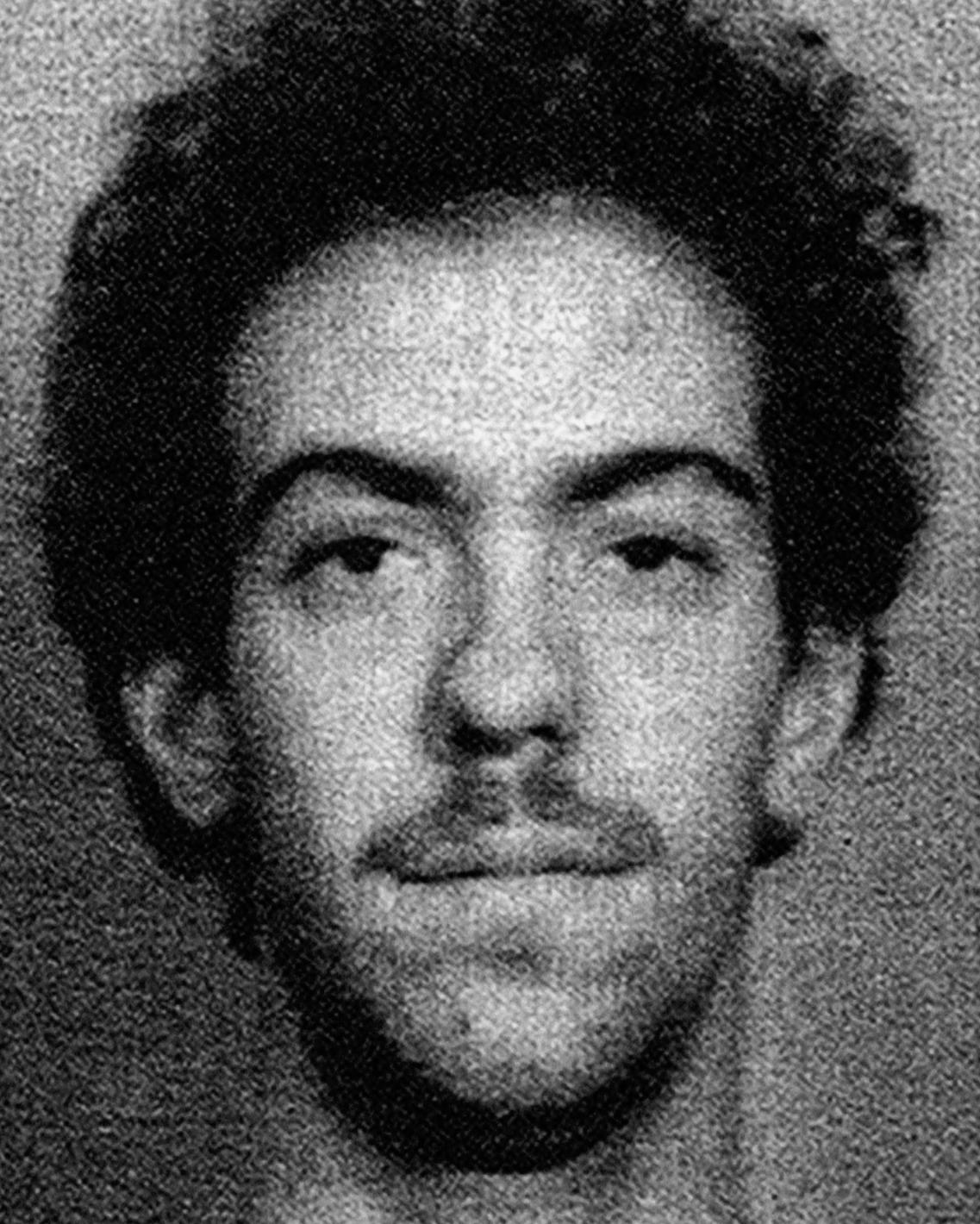
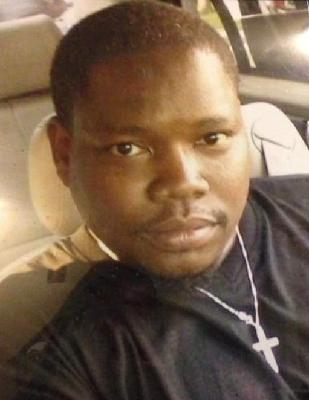
Joseph Arthur Bradehoft was a 25-year-old White/Caucasian man who was living in the Milwaukee area when he crossed paths with Jeffrey Dahmer on July 19, 1991. Bradehoft, who had a wife and children, had come to Milwaukee while looking for employment. On the day he was killed, he encountered Dahmer near a bus stop in the area of Marquette University.
Dahmer approached him and persuaded him to accompany him to his apartment at 924 North 25th Street.
Once inside the apartment, Dahmer gave Bradehoft a drink containing a sleeping medication. After the drug began taking effect and Bradehoft became incapacitated, Dahmer strangled him with a strap. Dahmer later admitted to police that he dismembered Bradehoft's body, placing his head in a freezer and putting other remains into a large barrel that he was using to store and chemically dispose of human remains. Bradehoft became the final known murder victim in the series of killings Dahmer committed before his arrest.
For several days, Bradehoft's remains remained inside the apartment while Dahmer continued going about his activities. The sequence came to an end on the night of July 22, 1991, only three days after Bradehoft's killing. Dahmer brought another man, Tracy Edwards, to the apartment. Edwards managed to escape while partially handcuffed and encountered Milwaukee police officers, telling them that a man had threatened him with a knife.
The officers returned with Edwards to Dahmer's apartment. While investigating Edwards' account, an officer discovered photographs depicting dismembered victims. Dahmer attempted to resist but was subdued and arrested. A search of the apartment exposed the scale of what had occurred there. Police found human remains in the refrigerator and freezer, skulls and other preserved remains, and the large barrel containing additional body parts. Among the remains recovered and subsequently identified were those of Bradehoft.
Dahmer began confessing after his arrest, ultimately admitting responsibility for 17 killings committed between 1978 and 1991. His statements provided investigators with details of how he met Bradehoft, brought him to the apartment, drugged and strangled him, and disposed of his remains. The confession and physical evidence transformed Bradehoft's case from what might otherwise have become a disappearance into one of the homicide cases prosecuted against Dahmer.
On July 25, 1991, prosecutors initially charged Dahmer with four counts of homicide involving Bradehoft, Matt Turner, Jeremiah Weinberger and Oliver Lacy. Additional charges followed as investigators identified more victims and developed evidence linking Dahmer to their deaths. The formal criminal complaint ultimately charged Dahmer with intentionally causing Bradehoft's death on or about July 19, 1991, at the North 25th Street apartment.
Rather than contest whether he had committed the Wisconsin murders, Dahmer entered guilty-but-insane pleas to 15 homicide charges in January 1992, including the charge involving Bradehoft. Because guilt had been admitted, the major issue presented to the jury was whether Dahmer was legally responsible for his actions or met Wisconsin's legal standard for insanity at the times of the killings. Psychiatrists and psychologists offered differing assessments during a highly publicized court proceeding concerning his mental condition and his ability to understand and control his conduct.
On February 15, 1992, the jury determined that Dahmer was legally sane and responsible for each of the 15 Wisconsin murders before it. Two days later, Milwaukee County Circuit Judge Laurence Gram Jr. sentenced him to 15 consecutive life prison terms. The sentence ensured that he would spend the remainder of his life incarcerated. Dahmer later received another life sentence in Ohio for the 1978 murder of Steven Hicks.
Bradehoft's death was therefore fully attributed to Jeffrey Dahmer through a combination of Dahmer's confession, the physical evidence recovered from his apartment, identification of Bradehoft's remains, the criminal charges, and Dahmer's guilty plea. There was no separate unidentified suspect left outstanding in Bradehoft's murder. His killing on July 19, 1991, marked the final completed homicide in Dahmer's series before Tracy Edwards' escape three nights later brought police into the apartment and ended the killings.