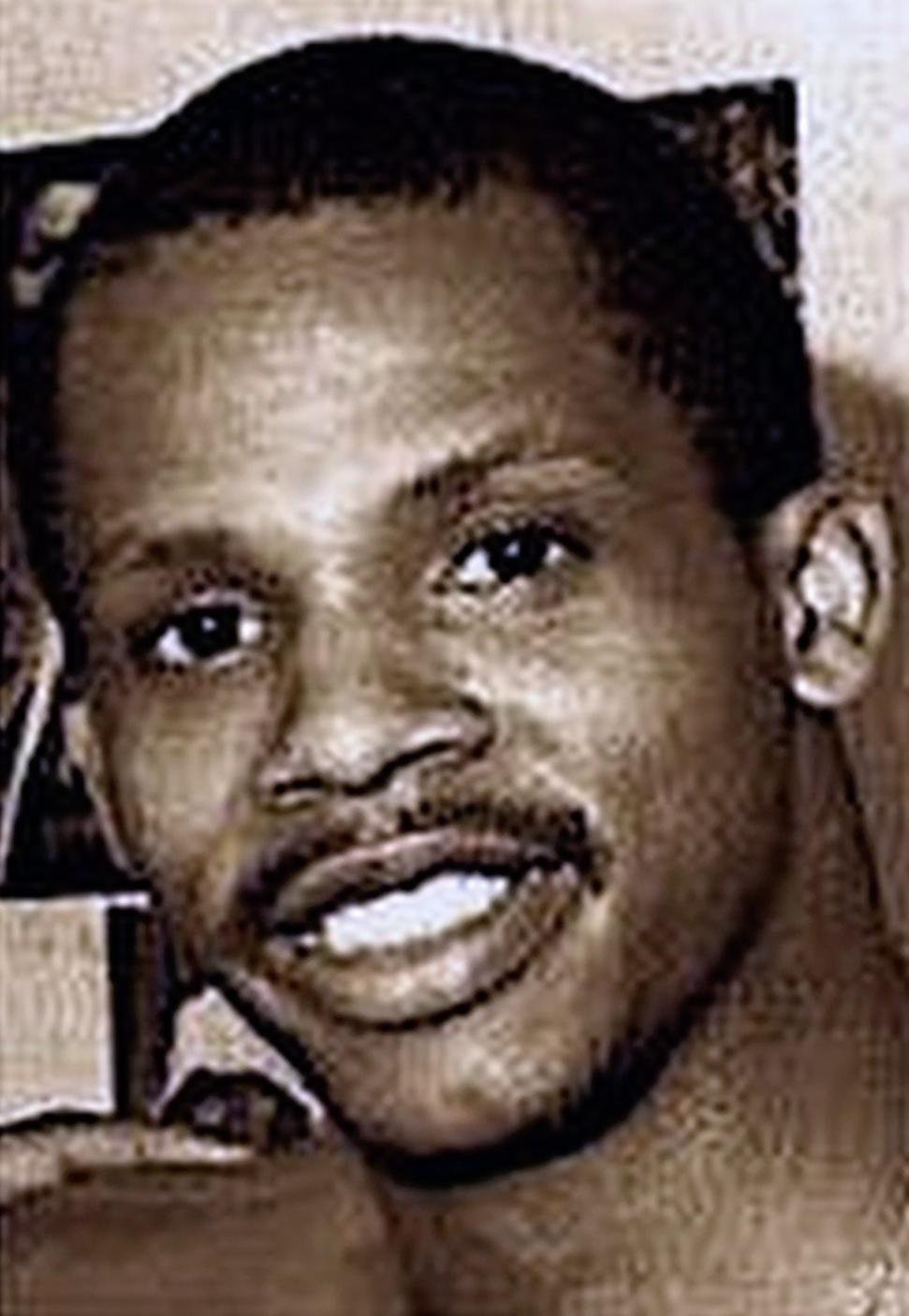
Oliver Lacy was a 23-year-old Black/African American man who had recently moved from Chicago to Milwaukee to be closer to his fiancée and their two-year-old son, Emmanuel. Contemporary accounts reported that he had been living in Milwaukee for only a few months when he disappeared. His mother, Catherine Lacy, said he was last seen by a friend on July 12, 1991, at Milwaukee’s Grand Avenue shopping center, where he had stopped to buy an ice cream cone.
Although some later accounts use July 12 as the date associated with his death, the criminal complaint against Jeffrey Dahmer placed Lacy’s killing several days later, on or about July 15.
According to the criminal case against Dahmer, he encountered Lacy near his Milwaukee apartment and approached him with an offer of money to pose for photographs. Lacy accompanied him back to the apartment. Prosecutors said Dahmer gave him a drink containing a sleeping drug and, after Lacy became incapacitated, strangled him. Dahmer later admitted to sexually assaulting Lacy’s body and dismembering his remains. Investigators learned that Dahmer kept Lacy’s head in the refrigerator and placed his heart in the freezer, telling authorities that he had intended to eat it later.
Lacy’s disappearance became part of a much larger and horrifying investigation on July 22, 1991. That night, Tracy Edwards escaped from Dahmer’s apartment while partially restrained and flagged down Milwaukee police officers. Edwards led officers back to the apartment, where they discovered photographs of dismembered victims and human remains. Dahmer was immediately arrested. Further searches revealed remains belonging to numerous victims, and Lacy became the first victim publicly identified after his mother viewed his wallet and photographs recovered during the investigation.
On July 25, 1991, Milwaukee County prosecutors filed the first homicide charges against Dahmer. Lacy was one of four victims named in that initial criminal complaint, along with Matt Turner, Jeremiah Weinberger and Joseph Bradehoft. Authorities alleged that Dahmer had lured the men to his apartment, drugged them, strangled them and dismembered their bodies. As investigators identified additional victims and Dahmer provided extensive confessions, prosecutors expanded the case. He ultimately faced 15 Wisconsin homicide counts connected to killings committed over several years.
On January 13, 1992, Dahmer pleaded guilty but insane to all 15 Wisconsin murders, including Lacy’s. Because he admitted committing the killings, the ensuing proceeding focused not on whether he was responsible but on whether he was legally responsible for his actions under Wisconsin’s insanity standard. After weeks of psychiatric testimony, a jury concluded on February 15, 1992, that Dahmer was legally sane at the time of each of the 15 murders. The verdict meant that he would be punished through the prison system rather than committed under an insanity finding.
On February 17, 1992, Milwaukee County Circuit Judge Laurence C. Gram Jr. sentenced Dahmer to 15 consecutive life terms. The sentences effectively ensured that he would spend the remainder of his life in prison. Lacy’s killing was therefore fully attributed to Dahmer through his confession, guilty plea and the resulting criminal judgment; no separate suspect was prosecuted for Lacy’s death. Lacy’s family also pursued civil litigation in the aftermath, including claims arising from the Milwaukee Police Department’s earlier encounter with Dahmer before the final series of killings.