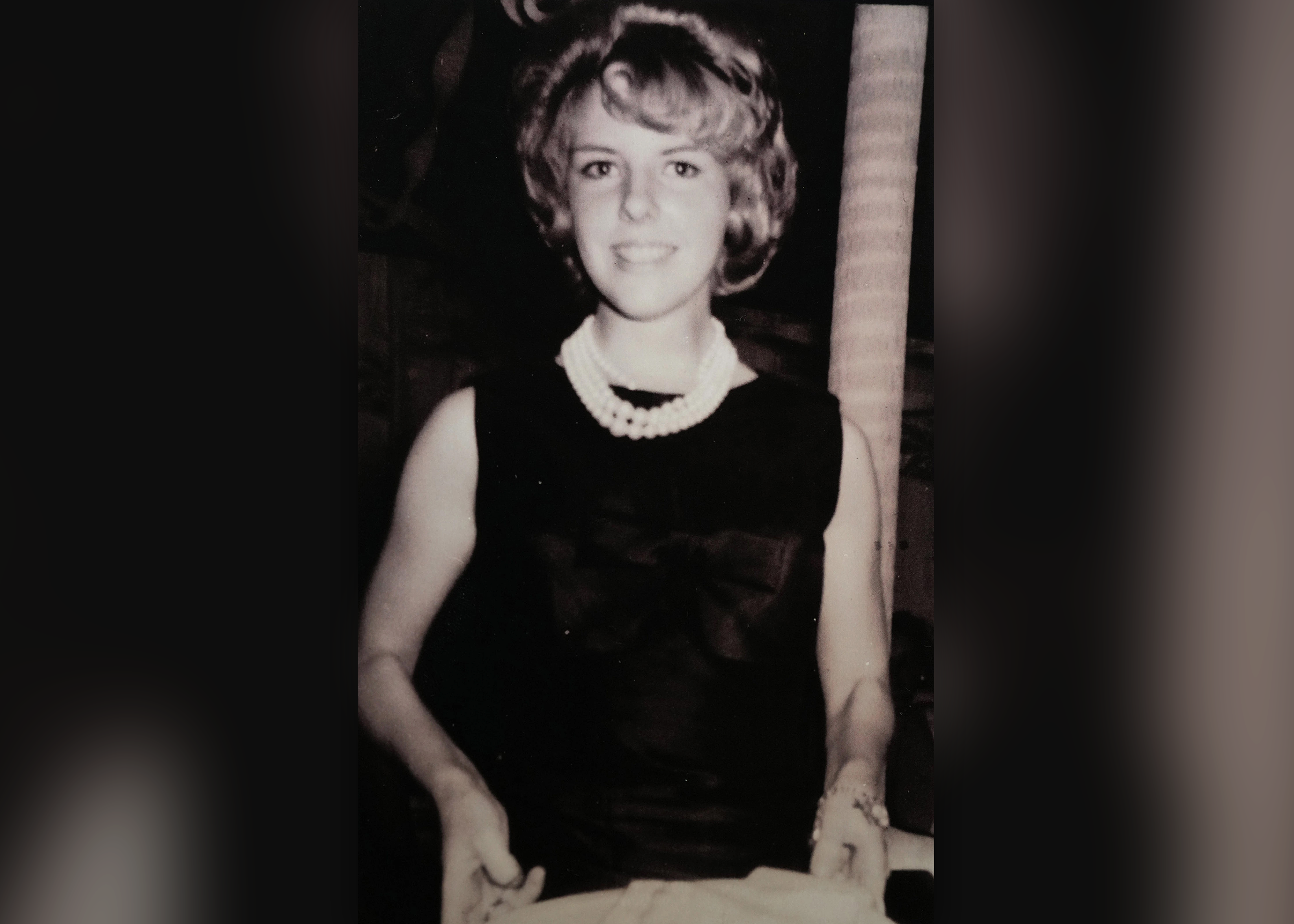
Diane Cusick was a 23-year-old white woman who left home on the evening of February 15, 1968, telling her family she was heading to Green Acres Mall in Valley Stream to buy dancing shoes after her day revolved around teaching and caring for her young child. As the hours stretched on and the familiar rhythm of her return never came, worry hardened into dread.
By around 10:30 p.m., her parents could no longer sit with the silence, and they drove into the mall parking lot themselves, scanning rows of cars until they spotted her Plymouth Valiant sitting where it shouldn’t have been—still, dark, and wrong.
Inside the car, the night turned brutal. Her parents found her in the back seat, bound, with an adhesive band across her mouth, the kind of detail that makes a scene feel staged for cruelty rather than chance. She was pronounced dead in the early hours of February 16, and the medical examiner determined she died from asphyxiation due to strangulation. Later descriptions of the crime included that she had been beaten and sexually assaulted, and investigators noted evidence consistent with a violent struggle, the kind of fight that leaves defensive injuries and a story written into the body long before science can read it properly.
In 1968, police could preserve what they could and chase leads with the tools of the day, but the case ultimately slipped into the long, cold limbo that swallows so many families whole. For decades, her death lingered as a question with no name attached to it—an absence that didn’t fade with time so much as deepen, passed down and carried forward by those who had to live with not knowing.
The turn came more than half a century later, when evidence from the case was retested in 2021 and a usable DNA profile was developed in early 2022. That profile matched Richard Cottingham, already incarcerated in New Jersey, a man long associated with multiple killings across the region. Investigators and prosecutors described a pattern they believed fit the night Diane vanished—an approach in which he used authority as a weapon, allegedly posing as security or law enforcement and inventing a reason to control a victim before overpowering her.
In June 2022, a Nassau County grand jury indictment brought the case back into court: Cottingham was charged with second-degree murder and arraigned virtually, where he pleaded not guilty and was remanded. For Diane’s family, it was a surreal kind of confrontation—seeing, at last, a living person in the frame of the crime after so many years of nothing but memory and unanswered phone calls.
The case did not end in a trial. On December 5, 2022, Cottingham pleaded guilty to murdering Diane and was sentenced to 25 years to life in prison. As part of the resolution, prosecutors said he also admitted in open court to four additional Nassau County murders from the early 1970s, while receiving immunity from prosecution for those killings under the plea agreement, on the rationale that he would remain imprisoned for life due to prior convictions. For this case, the arrest and prosecution finally placed a name and a legal outcome where there had once only been a body in a car and a family searching the dark.