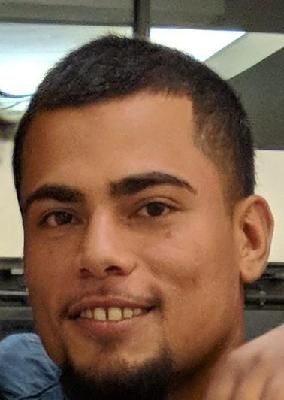
Jeffrey Alan Konen, an 18-year-old male college student, tragically lost his life on September 25, 1970, in Houston, Texas. He was a white male and a student at the University of Texas. On the day of his death, Jeffrey was hitchhiking when he encountered Dean Corll, a notorious serial killer later dubbed 'The Candy Man.' Corll, who was known for his heinous crimes against young men and boys, strangled Jeffrey to death.
This marked the beginning of Corll's horrifying spree of violence that would claim the lives of at least 28 victims over the next three years.
Dean Corll's modus operandi involved luring young male victims, often with the help of his accomplices, David Owen Brooks and Elmer Wayne Henley. These accomplices played a significant role in identifying and bringing victims to Corll. Once in his grasp, Corll subjected his victims to unspeakable torture before ultimately killing them. Jeffrey Konen's body was buried at High Island Beach, where it remained undiscovered until August 10, 1973. The discovery of his remains, along with those of other victims, eventually led to the unraveling of Corll's crimes.
The investigation into Jeffrey's death and the broader case against Dean Corll revealed a chilling pattern of premeditated and systematic violence. Corll's accomplices, Brooks and Henley, were later convicted for their roles in the murders. Henley, in particular, played a pivotal role in ending Corll's reign of terror when he fatally shot Corll during an altercation in 1973. This act not only brought Corll's crimes to light but also led to the recovery of the victims' remains, including Jeffrey's, from various burial sites.
The case of Jeffrey Konen and the other victims of Dean Corll remains one of the most harrowing chapters in the history of American crime. It underscores the devastating impact of Corll's actions on the lives of his victims and their families, as well as the importance of thorough investigations in bringing justice to those affected.