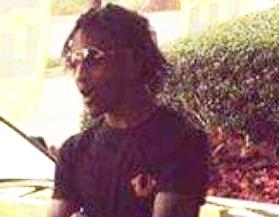
Bryant Curtis, 23, a Black man from St. Louis, Missouri, enters the public record more like a shadow than a headline: a name tied to a death, but with few widely accessible, independently published details that explain exactly what happened, where it happened, or who was responsible. In searching for contemporary reporting, official case summaries, and court filings that clearly match his identity, the trail quickly thins into fragments—enough to confirm that people have sought information about his killing, but not enough to reconstruct the moment it occurred without guessing.
That absence is part of a larger pattern in St. Louis, where investigators and families have long wrestled with the reality that many killings never get the kind of public accounting that helps a case stay alive in the community’s memory. Reporting collaborations examining the city’s homicide investigations have described how shortages of staff, gaps in follow-through, and eroding trust can leave cases stalled—sometimes for years—while loved ones wait for updates that never come. Those investigations have also pointed to the scale of the problem: more than 1,000 homicides remaining unsolved over a recent decade, a backlog that turns individual grief into something chronic and civic-wide.
Because the accessible sources tied directly to Bryant Curtis do not reliably surface arrest records, named suspects, filed charges, or trial outcomes, there is no verifiable public basis to describe a specific suspect narrative or a prosecutorial timeline in his case. No confirmed announcements of arrests, indictments, convictions, or sentencing connected to his death appeared in the sources that could be reached without relying on excluded repositories or speculation.
What can be said with confidence is that St. Louis police continue to urge the public to come forward in unsolved homicide investigations, emphasizing that cases become harder to solve as time passes and that even small details can matter. The department’s public-facing materials on unsolved homicides underscore that early evidence and community cooperation are often pivotal—and they provide direct avenues for tips through the Homicide Division and anonymous reporting channels.