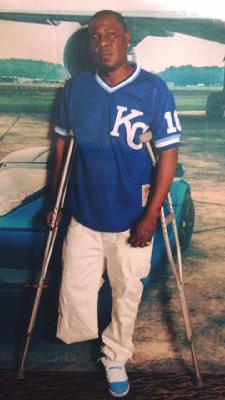
Ethiopian refugee Abdulrauf Kadir was a 32-year-old man living in St. Louis, Missouri, working to build a new life for his family. He had fled persecution and civil war in his home country, eventually reaching the United States in November 2013 after time in a refugee camp in Kenya. In St. Louis, he worked two jobs, including a position as a clerk at a convenience store near the intersection of Chippewa Street and Louisiana Avenue.
His primary goal was to earn enough money to sponsor the immigration of his wife and two young children, a son and a daughter, who remained in Kenya.
On the afternoon of Sunday, July 6, 2014, Kadir was working his shift at the convenience store when an armed man entered the premises. The assailant, identified as Antonio Muldrew, demanded money and proceeded to shoot Kadir in the chest and abdomen. While the wounded clerk lay bleeding on the floor, Muldrew stepped behind the counter and began interacting with unsuspecting customers who entered the store. He completed sales and made change for patrons, acting as if he were an employee, while Kadir remained incapacitated nearby. When Kadir eventually attempted to seek help from customers, Muldrew shot him twice in the head, killing him.
Police arrested Antonio Muldrew, who was 36 years old at the time, the following day. Authorities charged him with first-degree murder, armed criminal action, and first-degree robbery. During the investigation, Muldrew reportedly told detectives that he killed Kadir because he believed the clerk would die from his initial wounds anyway and he wanted to ensure he was dead. His defense attorney later argued during trial that Muldrew was desperate for money to support a pregnant girlfriend and suggested a second-degree murder conviction was more appropriate, acknowledging that Muldrew was responsible for the death but contesting the degree of premeditation.
In January 2020, the case went to trial, prosecuted by Missouri Attorney General Eric Schmitt, marking the first time a state attorney general had prosecuted a murder case in the city of St. Louis. The jury deliberated briefly before finding Muldrew guilty of first-degree murder and five other felonies. Following the verdict, Muldrew faced a mandatory sentence of life in prison without the possibility of parole for the brutal crime that cut short Kadir’s efforts to reunite his family.