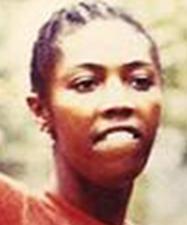
Sharon Martin, a 26-year-old African American woman, was brutally murdered on October 24, 1991. Her death was a result of strangulation, and her body was dismembered post-mortem. The remains of Sharon Martin were discovered scattered in various locations around Greensboro, North Carolina. The gruesome nature of her death shocked the community and led to an extensive investigation.
The investigation into Sharon Martin's murder eventually led to the arrest of Robert Sylvester Alston, a
serial killer who was responsible for the deaths of multiple women in the area. Alston, who was 22 years old at the time of the murder, targeted young black women who were either prostitutes or drug addicts. He picked up his victims in his dark blue Pontiac, strangled them, and then dismembered their bodies. Alston's first confirmed murder occurred in April 1991, and Sharon Martin was his second victim.
Alston was apprehended in January 1994 and later pleaded guilty to all charges in 1998. He received multiple life sentences without the possibility of parole. Despite his conviction, Alston refused to disclose the locations of all of Sharon Martin's remains, leaving her family with unanswered questions and a sense of incomplete closure.
In the years following Sharon Martin's murder, her family faced additional challenges. The coroner's office lost some of her remains, which had been sent to Chapel Hill for identification. This led to a legal battle, and the North Carolina Industrial Commission ordered the medical examiner's office to pay Sharon Martin's mother, Betty Jean Donnell, $50,000 in damages. The settlement money was put into a trust fund to help send Sharon Martin's 17-year-old son to college.
Sharon Martin's tragic death and the subsequent investigation highlighted the vulnerabilities faced by marginalized women in society. Her case remains a poignant reminder of the importance of thorough investigations and the need for justice for all victims of violent crimes.