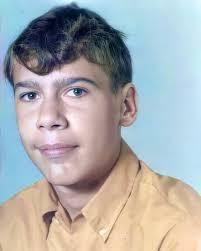
Randell Lee "Randy" Harvey, a 15-year-old Caucasian male from Baytown, Texas, tragically died on March 9, 1971. Randy was last seen riding his bike to work at a Fina gas station in the Oak Forest area of Houston. After finishing his shift, he disappeared, and his mother reported him missing two days later. Unfortunately, Randy's bicycle was never found.
Randy's case remained unsolved for over 35 years until careful work by forensic experts led to his identification.
His skeletal remains were discovered in a southwest Houston boat shed, among the victims of notorious serial killer Dean Corll. Corll, along with his teenage accomplices, David Owen Brooks and Elmer Wayne Henley, targeted teenage boys from 1970 until 1973. Randy had been shot in the eye with a .22-caliber firearm and had a nylon cord tied around his neck.
David Owen Brooks, one of Corll's accomplices, was arrested and convicted for his involvement in the murders. Henley, the other accomplice, was also arrested and sentenced to life imprisonment. The identification of Randy's remains brought closure to his family, who had long awaited answers about his fate.
Randy's remains were officially identified through DNA tests, skeletal analysis, and circumstantial evidence. His two sisters, Donna Harvey Lovrek and Lenore Lovrek McNiel, recognized personal items found with his body, such as a lock of his hair and a jacket. The identification process was a significant breakthrough in one of Houston's oldest cold cases.
Randy's story is a tragic reminder of the devastating impact of violent crime on families and communities. His identification and the subsequent arrests of his killers have provided some measure of justice and closure for his loved ones.