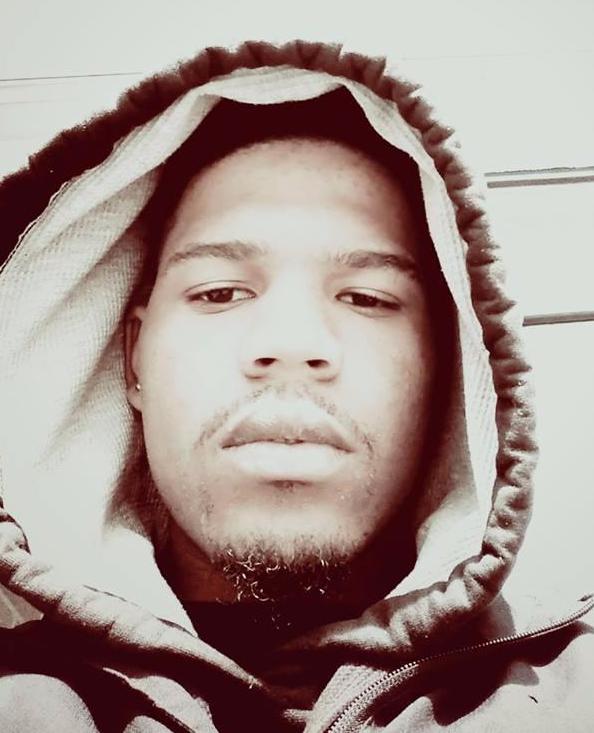
Eddie Dermaus Thomas, a 19-year-old Black man from St. Louis, Missouri, is remembered in online records as a young life lost to the city’s long-running cycle of gun violence. What can be pieced together publicly is spare, the kind of thin outline that so many families are left holding: a name, an age, a hometown, and the lingering sense that whatever happened unfolded quickly and left behind more questions than answers.
The clearest public backdrop is the place itself. North St. Louis neighborhoods, including Greater Ville, have repeatedly been identified as epicenters where a disproportionate share of shootings and homicides occur—patterns tied to decades of segregation, disinvestment, and the everyday pressure of living where violence is common enough to become routine for outsiders, but never routine for the people who actually have to survive it.
In cases like this, the silence can become part of the story. Searches of widely accessible online reporting and public-facing resources do not turn up a detailed, contemporaneous account of the circumstances of Thomas’s killing, nor do they reveal named suspects, arrests, filed charges, or any court proceedings tied to his death. If investigators developed leads, interviewed witnesses, or tested evidence, those steps are not reflected in the public material that can be found online today, leaving the outcome—at least in the public record—unresolved.
That absence sits alongside the broader reality that St. Louis has faced years of elevated homicide levels, with community-violence researchers pointing to persistent gaps in resources, prevention capacity, and the support systems that help cases get solved and neighborhoods stabilize. In that environment, a shooting can ripple outward for years: the immediate shock, the scramble for information, the cautious whispers about what someone might have seen, and then the long stretch where answers fail to arrive.