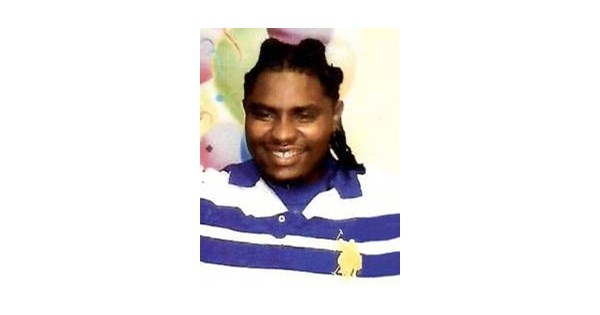
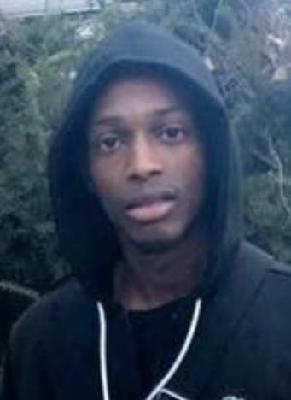
Courtney Phillip Johnson, a 22-year-old Black man from St. Louis, Missouri, is known publicly today mostly through the quiet negative space that sometimes follows a killing: the absence of a widely circulated narrative. What can be established from accessible public materials is that his death occurred in a city that, in 2009, was grappling with a heavy toll of violence—enough that the St. Louis Metropolitan Police Department would later report 143 murders for that year under its Uniform Crime Reporting records.
That same year, the department reported clearing 97 homicide cases for a 68% clearance rate, with warrants issued in 54 of those cleared cases. The numbers hint at two parallel realities—detectives making arrests in many investigations, while other families lived with unanswered questions.
Inside the department’s own 2009 annual report is a glimpse of what those first days after a killing could look like for survivors: the launch of the Homicide, Ministers & Community Alliance, a program meant to support families of homicide victims, rebuild trust between the community and police, and reduce the likelihood of retaliation. The report describes coordinated outreach after a homicide is reported, including visits with families and practical help such as counseling support and guidance around funeral expenses.
As for the questions that tend to define a homicide case in the public imagination—who did it, whether anyone was arrested, and what the courts decided—those details were not found in the publicly accessible police materials and reporting sources reviewed for this synopsis. In other words, no publicly verifiable arrest announcements, named suspects, or court outcomes tied specifically to Courtney Phillip Johnson were located in the open sources available here, leaving his story—at least in the public record—more like a chapter with missing pages than a case with a clear ending.