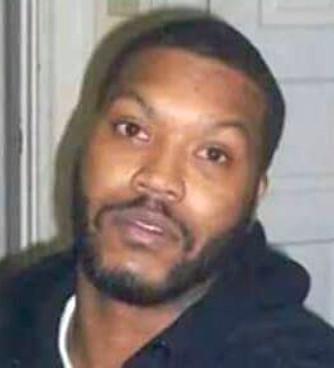
Jeremiah House, a 29-year-old White man from St. Louis, Missouri, is gone, and the absence he leaves behind is the kind that doesn’t stay neatly contained. It spreads into the quiet corners of ordinary life—the empty space at a table, the unanswered phone call, the sudden ache that shows up at the worst moments and the strangest ones. In the wake of his death, there’s a sense of something interrupted, a story cut short before it could reach whatever chapters were supposed to come next.
St. Louis is a city of neighborhoods that remember their people. Streets hold history in their cracks, and friendships can run deep enough to feel like family. In a place like that, a loss doesn’t belong to one person alone. It belongs to everyone who knew Jeremiah’s name, everyone who recognized his face, everyone who shared even a small piece of time with him. The grief becomes communal—passed hand to hand in condolences, in stunned silences, in the shaky determination to speak of him in the present tense before reality forces the past.
When details are scarce, the mind tries to fill in the gaps, and that can be its own kind of torment. Questions crowd in where certainty should be. What happened, exactly? When did the moment arrive that changed everything? Who was there, and who wasn’t? The lack of answers can make the pain feel sharper, because it isn’t only mourning—it’s also waiting. Waiting for clarity, for truth, for something solid enough to hold onto when everything else feels like it’s slipping.
What’s been shared here offers only the outline: a young man, a hometown, a life ended. Without more, it would be wrong to dress that outline in assumptions or pretend the unknown is known. Still, even in the absence of specifics, the emotional reality remains unmistakable. A death at 29 carries a particular weight—the sense of plans still in motion, of time that should have been available, of loved ones who expected more tomorrows than they were given.
With no information provided about suspects, arrests, or charges, there can be no honest accounting of blame or accountability—only the raw fact of loss, and the longing for resolution that so often follows it. In cases where questions remain, families and friends can find themselves trapped between grief and vigilance, mourning with one hand and searching with the other. Hope becomes complicated: hope for answers, hope for justice if justice is needed, hope for peace even when peace feels impossible.
Jeremiah’s death is not just an event. It is a rupture. It reshapes routines and rewrites conversations. People who cared about him will replay memories until they blur, trying to locate a moment that might have warned them, a clue they wish they’d noticed, a chance they would take back if time could be convinced to turn around. And for those who only knew him in passing, the news can still land like a stone—because it reminds everyone how thin the line can be between an ordinary day and a life forever divided into before and after.
In the end, what remains most certain is this: Jeremiah House mattered. He was not a headline or a statistic. He was a person rooted in a place, carried in the hearts of others, and now spoken of with the kind of reverence that follows when someone is taken too soon. Whatever the circumstances, whatever the unanswered questions, the grief itself is proof of connection. And that connection, fragile as it feels in the face of death, is also a kind of testimony—one that says his life had meaning, and his absence is deeply felt.