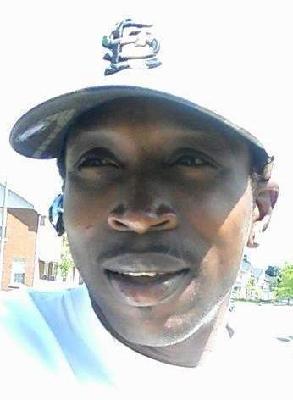
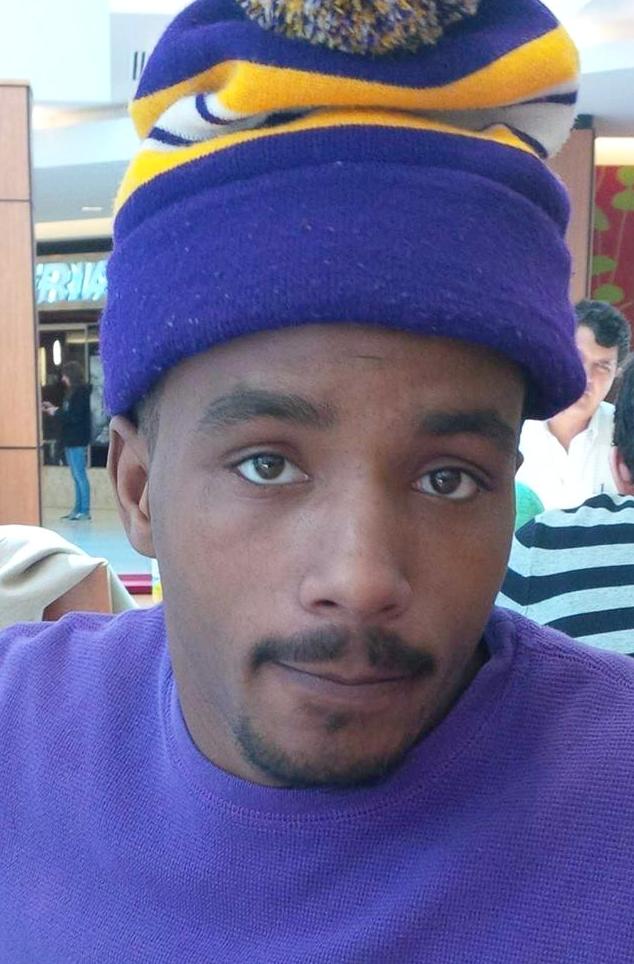
Demetrius Harris, 35, was a Black man from St. Louis, Missouri, and his death left a space that can’t be measured in headlines or police language. A name like his isn’t supposed to end in a sentence that stops too soon, but it did, and the simple fact of it lands with a weight that feels larger the longer you sit with it.
What’s known here is painfully spare, the kind of “known” that still feels like not knowing. There is a person, and there is the end of that person’s life. There are the streets of St. Louis—ordinary on most days, carrying people to work and home and corner stores and quiet evenings—made suddenly unforgettable for the worst reason. And somewhere in all of that is the truth of what happened to him, the chain of moments that turned a living, breathing man into a memory.
When details are missing, the mind fills in the gaps with the things we understand best: how quickly a day can change, how fragile routine is, how a single choice—someone’s decision, someone’s impulse, someone’s cruelty—can alter everything. It’s hard not to picture the before, because the before is where a life actually is. The before is where a man has plans, even small ones. The before is where a phone might still ring with his name on the screen, where a door might still be expected to open, where the world still assumes he will return.
There’s also the quiet aftermath, the part that doesn’t make it into most retellings: the waiting. Waiting for a call. Waiting for clarity. Waiting for someone to say something that makes it make sense, even though it never really will. There’s the helplessness of loving someone you can no longer reach, and the anger that comes when a death feels like it was taken rather than arrived. Even if you didn’t know him personally, it’s difficult to hear of a life cut short and not feel that familiar human ache—because none of us are meant to become a “case,” and yet it happens every day to somebody.
As for accountability—arrests, a suspect, names, charges—there’s nothing provided here to hold onto. No public resolution to point at, no clear answer to the question that always rises first: Who did this, and why? That absence can be its own kind of wound, because without it, grief doesn’t just hurt—it loops. It repeats. It keeps reopening, like a door that never fully shuts because the story never reaches its ending.
What remains is Demetrius Harris himself: his name, his home city, and the fact that he mattered. He wasn’t a statistic before he was a headline, and he shouldn’t be reduced to one now. Whatever happened, whatever moments led to the final one, a life ended and a community lost someone who belonged to it. And somewhere in St. Louis, there are people who carry him with them—not as a brief mention, but as a presence that still feels real, because love does that. It lingers. It insists. It refuses to let a person disappear just because the world moved on.