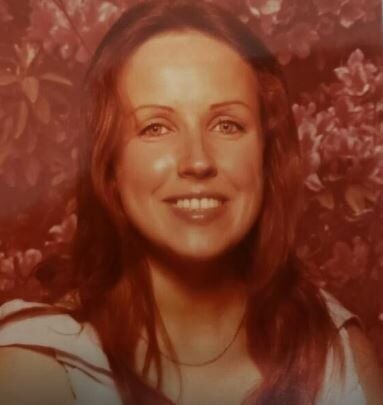
Aretha Ellen Robinson was a 47-year-old woman from St. Louis, Missouri, and the fact of her death leaves a stark, quiet space where the rest of her story should be. She was Black, and she was more than a name on a line—she was a person who moved through real streets, had real routines, and occupied a real place in other people’s lives. In a city that can feel both close-knit and sprawling at once, her absence would have traveled fast through the circles that knew her, and then settled in slowly, day after day, into the places where she used to be.
When someone dies like this, what lingers isn’t only the moment the world changed—it’s everything that came right before it, and everything that was supposed to come after. There’s a particular ache in a life interrupted, because it steals not just breath but plans: the next conversation, the next small errand, the next ordinary morning. People who loved her would remember the specific, human details—the way she sounded when she laughed, the way she might have said someone’s name, the kind of stubborn strength that shows up in a person who has lived long enough to carry burdens and still keep going.
St. Louis is full of corners where stories unfold quietly: porches that collect summer heat, bus stops where strangers stand shoulder to shoulder, grocery aisles where you run into someone you haven’t seen in years. Somewhere among those everyday scenes, Aretha’s life was happening—bits of work, family, friendships, and the private hopes people tuck away and rarely say out loud. Death collapses all of that into a single terrible fact, and it can make the world feel suddenly smaller, as if every familiar place has a shadow you can’t unsee.
With only the information given, what can be said with certainty is simple and heavy: she died, and she was from St. Louis. That spareness is its own kind of grief. Because when the details aren’t there—or aren’t shared—what remains is the human truth underneath: there were people who expected her to come home, people who would have checked their phone more than once, people who would have replayed the last time they saw her and wondered if they missed something they should have noticed. In the aftermath, time doesn’t move in a straight line. It loops. It jolts. It drags. It turns ordinary sounds into reminders.
A loss like this doesn’t end neatly. It becomes a long thread woven through birthdays and holidays, through the first warm day of spring, through the moments when someone almost reaches out to call her before remembering. It reshapes the lives around it. The people who knew Aretha don’t just lose her in one instant—they keep losing her in small ways afterward, again and again, as the world continues without her voice in it.
And even when public answers aren’t part of the story being told, her life still deserves to be held with care. Aretha Ellen Robinson’s name deserves to be spoken as a person, not just a case. Her death matters because she mattered—because she belonged to someone, because she was woven into a community, because she had a place in the world that cannot be filled the same way again.