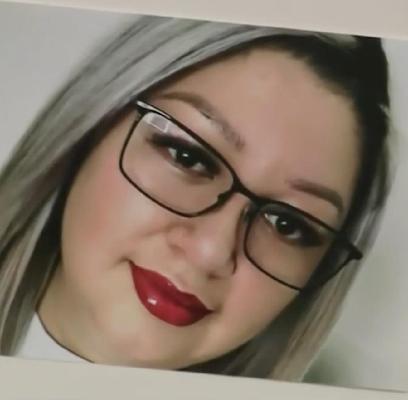
Philippa Ashford, a 61-year-old psychiatric nurse, tragically lost her life on January 1, 2020, in Houston, Texas. Ashford, who was standing in her driveway in the Laurel Oaks subdivision, was struck by a stray bullet fired during New Year's Eve celebrations. The bullet, fired from an unknown location, hit Ashford as she watched her family and neighbors celebrate the arrival of the new year.
Despite immediate efforts to save her, Ashford succumbed to her injuries at the scene.
The investigation into Ashford's death revealed that the bullet was likely fired as part of celebratory gunfire, a dangerous and reckless practice where individuals shoot firearms into the air to mark festive occasions. The Harris County Sheriff's Office conducted a thorough investigation, canvassing the neighborhood for shell casings and interviewing residents. However, no suspects were identified, and no shell casings were recovered from the immediate vicinity. The lack of physical evidence and the random nature of celebratory gunfire made it challenging for law enforcement to pinpoint the shooter.
Ashford's death highlighted the dangers of celebratory gunfire and prompted public outcry for stricter enforcement of laws against the practice. Texas law prohibits firing guns into the air under a broader misdemeanor statute against deadly conduct, which can result in fines up to $4,000 or a year in prison. Despite these laws, incidents of celebratory gunfire continue to occur, posing a significant risk to public safety. The tragic loss of Philippa Ashford serves as a stark reminder of the potentially lethal consequences of such reckless behavior.
In the aftermath of Ashford's death, there were no arrests, suspects, or litigations directly related to the incident. The investigation remained open, but the likelihood of identifying the shooter diminished over time. Ashford's family and the community mourned the loss of a dedicated nurse and respected member of society. Her colleagues at the Menninger Clinic, where she served as a nurse manager, and the University of Texas Health Science Center at Houston, where she was an adjunct professor, expressed their deep sorrow and paid tribute to her contributions to the field of psychiatric nursing.