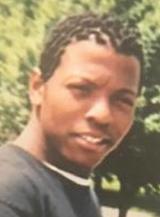
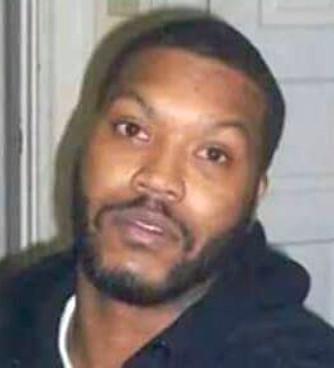
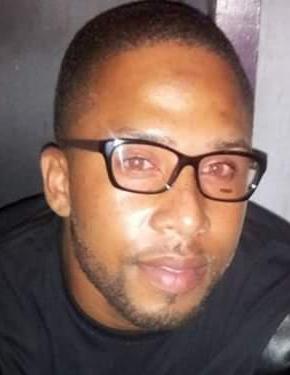
In the autumn of 2014, the city of St. Louis, Missouri, was the setting for a pair of tragic events that devastated a single family within the span of just a few hours. Jermaine Terrill Jones, a 29-year-old African American man, became the victim of a fatal shooting on October 19, 2014. Born on January 6, 1985, to parents Dorothy Dixson and Gerald Jones, Jermaine was known to his loved ones as a sociable and confident individual who had attended Central Missouri State University. His life was cut short that Sunday when he was standing outside with a group of friends in the suburb of Berkeley, near the border with Ferguson.
Around the time of the incident, an unknown male approached the group where Jermaine was gathered. Without warning, the assailant opened fire on the men, striking Jermaine and wounding three others. Jermaine succumbed to his injuries, leaving behind a grieving family that included his young son, his parents, and several siblings. The attack was described by authorities as sudden, and the perpetrator fled the scene immediately after the shooting, disappearing before law enforcement could apprehend him. Witnesses at the scene reported the shooter was a male, but further identifying details remained scarce in the immediate aftermath.
Compounding the heartbreak for the family was the violent death of Jermaine's older sister, Margaree Dixson, which had occurred only hours earlier. In a disturbing coincidence, the 35-year-old was found shot to death in a separate incident less than a mile away from where her brother would later be killed. The proximity in both time and geography led to intense speculation and anguish for the community and the family, who were forced to mourn two siblings on the same day. Police investigations treated the shootings as separate events, though the timing cast a heavy shadow over the neighborhood.
Despite the efforts of the St. Louis authorities to investigate the circumstances surrounding Jermaine's death, no immediate arrests were reported following the incident. Detectives sought information from the public, searching for leads on the unidentified gunman who had targeted the group. The case became part of a broader conversation about violence in the area, yet for the family, it remained a deeply personal loss of a son and brother whose life was taken in a moment of senseless aggression.