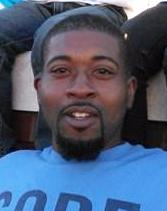
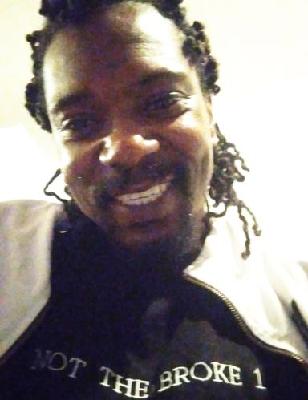
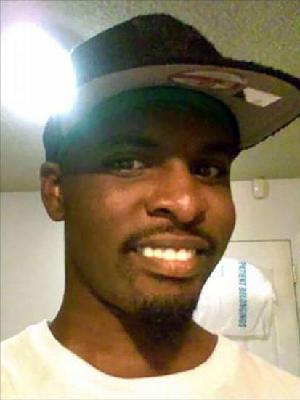
Santos Castillo, 33, a Hispanic/Latino male, died on March 16, 2014, in Memphis, Tennessee.
In the hours and days after his death, the details that surfaced were the kind that families hold onto when everything else feels unsteady. Those who loved him were given a place to come together, a window of time set aside to stand shoulder to shoulder and share the weight of what had happened. Visitation was arranged for Saturday, March 22, 2014, from 4:00 p.m.
to 6:00 p.m., at Harold Ford Funeral Chapel on Sycamore View Road, a simple line on a notice that meant something much bigger in real life: a room filled with quiet tears, long embraces, and stories that kept his presence from slipping away.
There was also a final destination noted, one that speaks softly but powerfully about where his life began and where his family’s heart still lived. His burial was planned for El Salvador, Central America. That single fact carries so much beneath it: the pull of home, the importance of resting among ancestors, the desire for loved ones to be able to visit and remember him where the family’s story is rooted. It suggests a journey that had already shaped his life long before his last day in Memphis, and it adds a bittersweet tenderness to the idea that even in death, he would be carried back with care.
What is most striking is how the record that remains is both clear and incomplete at the same time. The date is there. The place is there. The gathering for those left behind is there. But the rest of the story—the why, the how, and the questions that inevitably follow a life ending too soon—does not appear within the information provided. That absence leaves a hollow space in the narrative, the kind that families feel most sharply: a loved one reduced to a few lines when they were, in reality, a whole person with a laugh, a voice, and a place at the table that can never truly be replaced.
Even without the missing details, the shape of the loss is unmistakable. A death at 33 is not the natural closing of a long life; it is an interruption. It is the sense of time stolen, of milestones that will now be remembered instead of lived. And yet, in the act of naming him, marking the day he died, and setting aside time for people to gather, there is also a gentle insistence that he mattered. That people were meant to come, to see him one more time in a place of dignity, to speak his name aloud, to hold each other up, and to begin the long, uneven work of grieving.
In the end, what remains in the information provided is a portrait painted in the most human way: not through headlines or arguments, but through the rituals that follow when the unthinkable happens. A man in Memphis. A family and friends called to a chapel. A final return to El Salvador. And a name—Santos Castillo—spoken with love by those who could not bear to let him pass without being remembered.