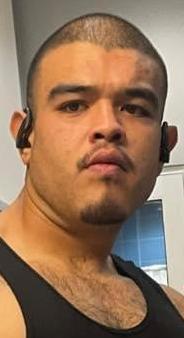
On a late-night walk in Knoxville, Tennessee, on March 11, 2015, the life of 19-year-old Kendale Garner, a Black/African American male, was tragically cut short. Garner and his brother, Demetrius Holmes Jr., were walking to a nearby apartment near Summit Hill and Hall of Fame drives when they became embroiled in an argument with a group of individuals in a complex parking lot. The verbal altercation quickly escalated to gunfire.
Garner was struck in the stomach and, despite being rushed to the University of Tennessee Medical Center, succumbed to his injuries. Holmes was also shot in the leg but survived the attack. The root of this senseless violence was reportedly a dispute over a derogatory name that Garner believed had been used to refer to his girlfriend.
The investigation into Kendale Garner's death swiftly led to a suspect: Donald Ray Hunt, who was 17 years old at the time of the shooting. He was initially charged as a juvenile, but the gravity of the offense led to his case being transferred to the Knox County Criminal Court. Hunt was indicted on charges of first-degree murder in the death of Kendale Garner and attempted first-degree murder for the wounding of Demetrius Holmes Jr. The prosecution asserted that Hunt and another individual fired at the two brothers.
In August 2016, Donald Ray Hunt, then 19, stood trial for the murder of Kendale Garner. During the trial, prosecutors presented evidence of the ongoing "beef" between Hunt and Garner over the alleged name-calling incident, which had nearly led to a physical fight earlier on the day of the shooting. The defense, however, contended that while there was animosity between the two, Hunt was not the shooter. They argued that Garner was armed and that Hunt had given a false confession to the police to protect his brother. The defense also questioned the credibility of Demetrius Holmes Jr.'s testimony, alleging that he only identified Hunt as the shooter after facing his own legal troubles. The trial proceeded under the watch of Criminal Court Judge Steve Sword, with Hunt facing the possibility of a life sentence with parole eligibility after 51 years. Despite the detailed reporting on the commencement of the trial and the arguments presented by both the prosecution and the defense, publicly available online sources do not contain information regarding the final verdict or any subsequent sentencing in the case against Donald Ray Hunt.