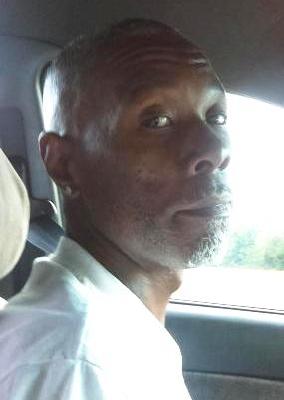
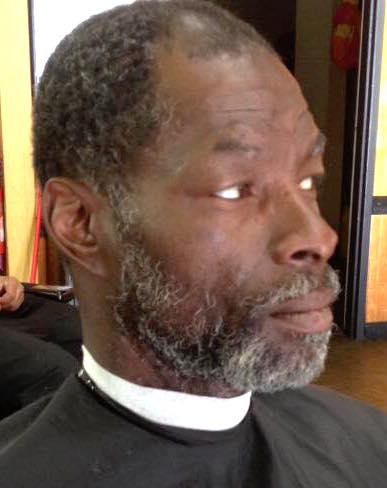
On June 9, 2015, 34-year-old William Parris Hughes, a man from Memphis, Tennessee, was shot and killed in the city, a death later recorded in national gun-violence databases and local obituary notices. His name appears in public records and memorial pages simply and starkly: a brief line noting that he died on that date, with the place listed as Memphis, and that his life ended through gun violence rather than illness or accident.
Those who knew him did not remember him in such bare terms. On his obituary page in The Commercial Appeal, family and friends use his middle name and call him “Parris,” writing short, heartfelt notes that hint at the life behind the dates. A relative promises to make sure “our baby girl is good,” describing how deeply she misses him and how lost his daughter feels without her father. Others send love across the miles, offer prayers for his mother and other family members, and speak of broken hearts, quietly sketching the outline of a man who was loved, connected to his community, and at the center of a close-knit family.
The shooting that claimed his life unfolded in southeast Memphis, in the Hickory Hill area, on a residential street known as Misty Moor Lane. Local television and newspaper coverage at the time, as reflected in later memorial listings, framed the violence under headlines such as “MPD releases names of Misty Moor Lane victims,” “One dead, two wounded in Hickory Hill shooting,” and “1 killed, 1 injured in Hickory Hill shooting.” These fragmentary titles, preserved in later compilations of gun-violence cases, indicate that the attack did not affect Hughes alone: others were wounded when shots were fired on that street, turning an ordinary setting of single-family homes into a crime scene marked by shell casings, police tape, and flashing blue lights.
Publicly accessible records do not provide a detailed narrative of the moments leading up to the gunfire, nor do they describe exactly where Hughes was standing or what he was doing when he was struck. What they do make clear is that Memphis police eventually released the names of the victims, formally identifying Hughes as the man who died in the Hickory Hill shooting, and that his death was treated as part of the city’s ongoing struggle with interpersonal gun violence. Beyond that, open-source reporting available today offers no clear account of a suspect being named, arrested, or charged in connection with his killing, and no trial or conviction tied specifically to his death appears in readily searchable public records.
In the absence of answers, his memory has been kept alive as a story of love and loss more than of crime and resolution. On the National Gun Violence Memorial site, his name sits alongside thousands of others “lost to gun violence,” each represented by a candle that can be lit in their honor; for Hughes, dozens of these virtual candles have been lit over the years. Visitors leave brief comments about their grief, their prayers, and their determination to carry on for the children left behind. The official notices may reduce his life to dates and a cause of death, and the public record may fall silent on who pulled the trigger or why, but in the memories preserved online, William Parris Hughes remains a father, a son, and a man whose absence is still felt in Memphis long after the police cars and crime-scene tape disappeared from Misty Moor Lane.