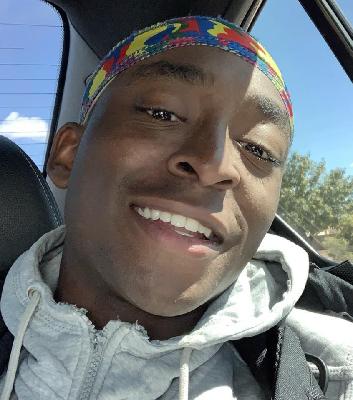
Pamela Sowell, a 40-year-old woman from Nashville, Tennessee, spent the evening of Friday, July 3, 2015, in the James Cayce public housing development just east of downtown, where a routine summer day turned suddenly volatile. Around 6:30 p.m., in the 500 block of Summer Place, witnesses later told police that a heated argument broke out involving Pamela and several other people in the courtyard area of the complex.
What began as raised voices in the humid evening air escalated into something far more dangerous as tempers flared and the confrontation refused to die down. Moments later, gunfire shattered whatever calm remained in the narrow street between the brick buildings of Cayce Homes, sending residents scrambling for cover and drawing terrified calls to 911.
When officers arrived, they found Pamela lying on the sidewalk, suffering from at least one gunshot wound. The scene was chaotic: neighbors clustered at doorways and on balconies, some pointing down the block, others insisting they had heard arguing just before the shots. Emergency crews rushed her from Summer Place to Vanderbilt University Medical Center, the trauma center that receives many of the city’s shooting victims, but despite those efforts she did not survive. Her death turned an everyday public-housing courtyard into a crime scene, marked off with yellow tape as detectives methodically walked the pavement where she had fallen, searching for shell casings, mapping bloodstains, and trying to piece together who had opened fire and why.
In the hours and days that followed, Metro Nashville detectives canvassed Cayce Homes, talking to residents who had seen the argument and the shooting from porches, windows, and stoops. Witness accounts coalesced around a single theme: Pamela had been in the midst of a “heated argument with several persons” right before the gunshot that ended her life. From those interviews and other investigative leads, police focused on a teenage suspect, 17-year-old Rafael McKinney, whom they believed had been at the center of the confrontation. Just five days after the shooting, on July 8, 2015, a juvenile court petition and arrest order were issued for McKinney in connection with Pamela’s killing, formally identifying him as the young man authorities accused of pulling the trigger.
Instead of turning himself in, McKinney disappeared, and for more than two years he lived as a fugitive while the case remained unresolved in Nashville. Investigators kept the warrant active and worked with federal partners to track him beyond Tennessee’s borders. Their break came in November 2017, when members of a U.S. Marshals fugitive task force traced him to a hotel in Midland, Texas. There, officers moved in and arrested McKinney, now 20 years old, on the outstanding Nashville murder warrant tied to the July 2015 fatal shooting of Pamela in the James Cayce development. At the time of his arrest, he was still described by authorities as the suspect in the deadly argument-turned-shooting that had claimed her life back on Summer Place.
The arrest in Texas unfolded with its own complications. In a separate room at the same hotel, investigators found McKinney’s mother, identified in reports as Tanya Howard, and his stepfather, Robert Parham. Texas authorities charged both adults with hindering apprehension, alleging that they had helped him remain on the run while Nashville police sought to bring him back to face the homicide charge stemming from Pamela’s death. After the Midland arrest, officials announced that McKinney would be returned to Nashville to answer for the killing; news accounts describe him at that point as the accused killer of a 40-year-old woman at James Cayce Homes, facing a homicide case in Davidson County.
Publicly available coverage of the case largely ends there, with the narrative closing on McKinney’s capture and pending return to Tennessee. The record that can be traced through open news sources tells the story of a summer evening confrontation in a public-housing courtyard, a single gunshot that left Pamela mortally wounded on a Nashville sidewalk, and a long-running manhunt that finally ended hundreds of miles away in a Texas hotel. What remains less clear from the accessible reporting is what ultimately happened after his extradition—whether the case went to trial, how it was resolved in court, or what sentence, if any, was imposed—leaving the legal epilogue to Pamela Sowell’s killing largely unwritten in the public record, even as her death stands as a stark reminder of how quickly an argument can tip into irrevocable violence.