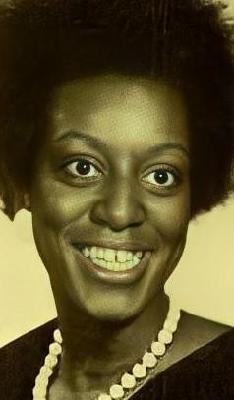
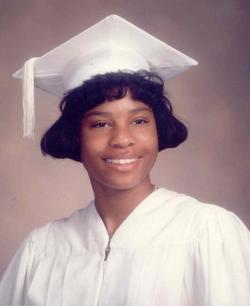
Eleanor Herring, a 30-year-old woman from Chester, Pennsylvania, was killed on November 9, 1974, in a shooting that also wounded another person. Her death came in the early morning hours, and the brief details available leave behind the painful image of a life suddenly and violently taken. Eleanor was shot in the chest and was rushed to Crozer-Chester Medical Center in Upland, but she could not be saved.
She was pronounced dead on arrival at about 2:40 a.m.
At the time, Eleanor was identified as living at 408 Bickley Place in Chester. That address, like the time of her death and the hospital where she was taken, is one of the few concrete details that remain publicly visible about her final moments. What is missing is almost as heavy as what is known. There is no full account explaining what led to the shooting, no detailed description of the moments before the gunfire, and no publicly available portrait of who Eleanor was beyond the tragedy that ended her life. But even with only a small number of facts, the loss is clear. Eleanor was a young woman, only 30 years old, whose life was cut short in a matter of seconds.
The shooting also injured Albert Thompson, a 34-year-old man from Upper Providence. He was admitted to the same hospital with gunshot wounds to his face and neck and was listed in guarded condition, with surgery expected. The available information does not explain why Albert was present, whether he was targeted, whether he witnessed what happened, or how he may have been connected to Eleanor. His injuries show that the violence was not confined to a single victim, and that the incident left more than one person fighting for life in the aftermath.
One of the most troubling details from the available information is that police were looking for Eleanor’s husband after the shooting. The public account says the shooting left police seeking the victim’s husband, but it does not name him, does not say whether he was arrested, and does not confirm whether he was officially identified as a suspect. That detail gives the case an unresolved and deeply unsettling feeling. Eleanor was dead, another man was gravely wounded, and investigators were trying to find her husband, but the available record does not tell what police learned, where that search led, or whether anyone was ever held responsible.
No online information currently available confirms an arrest, charges, trial, conviction, or final legal outcome in Eleanor Herring’s death. There is also no clearly named suspect in the accessible public material. Because of that, her case remains publicly defined by fragments: her name, her age, her home city, the date she died, the wound that killed her, the hospital where doctors could not save her, the other injured victim, and the fact that police were seeking her husband afterward.
Behind those fragments was a real person. Eleanor Herring was not only the victim of a shooting; she was someone who had a home, a life, and people who would have been left to absorb the shock of her sudden absence. In the early hours of November 9, 1974, whatever future she may have imagined was taken from her. The available details do not tell enough about her voice, her personality, her daily life, or the people who loved her, but they do make clear that her death mattered. More than fifty years later, the public record still offers only a small window into what happened, leaving Eleanor’s story marked by violence, unanswered questions, and the lasting sadness of a young woman gone far too soon.