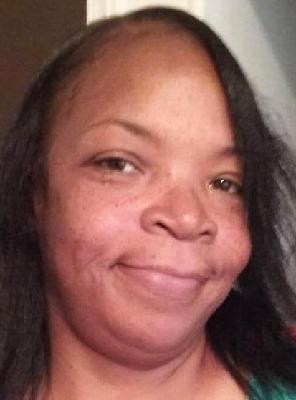
Janice Lewis was a female Philadelphia resident whose life ended on July 30, 1979, after a violent domestic shooting that left her family grieving and her community shaken. The known public details of her death are limited, but what is available paints a heartbreaking picture of a woman whose final moments were surrounded by fear, confusion, and devastating loss. Her name remains tied to a painful scene in Philadelphia, Pennsylvania, where a private relationship erupted into public tragedy and where the people closest to her were forced to witness the aftermath of violence no family should ever have to endure.
The fatal incident involved Janice’s husband, James Lewis, who was identified in available reporting as the man who shot her. After the shooting, Janice did not die immediately at the scene. She was taken to a hospital, which means there was a period of desperate uncertainty in which her loved ones may have been forced to wait, hoping she could survive the injuries inflicted on her. That stretch of time, however long it lasted, must have been agonizing for those who cared about her. A life had been violently interrupted, and the people around her were left to confront the possibility that Janice might not come home.
One of the most emotional details connected to the case is the presence of Janice’s mother, Virginia Longs, in the aftermath. A news photograph associated with the incident shows Virginia overcome with grief as she was taken away from the scene after her daughter had been shot. That image gives a human face to the loss. It shows that Janice was not just the subject of a police report or a name attached to a date. She was someone’s daughter. She belonged to a family. She had people who loved her, people who were devastated by what happened to her, and people who had to carry the pain of that day long after the police left and the headlines faded.
Following the shooting, James Lewis reportedly held police at bay for several hours. That standoff turned the incident into an extended crisis, stretching the terror of the day beyond the initial act of violence. For officers, neighbors, and family members, the situation did not end quickly. The hours after Janice was shot were marked by tension and uncertainty, with police unable to immediately bring the suspect into custody. While Janice was fighting for her life, the man identified as responsible remained barricaded, forcing everyone connected to the scene to remain trapped in a frightening and unresolved moment.
Janice later died at the hospital from her injuries. Her death transformed the shooting into a homicide and permanently changed the lives of those who loved her. The grief attached to her case is especially heavy because of the domestic nature of the violence. When someone is killed by a spouse, the betrayal is intimate and profound. The person identified as responsible was not a stranger hiding in the darkness, but someone who had shared Janice’s life. That reality adds another layer of sorrow to the case, because the danger came from within a relationship that should never have ended in violence.
James Lewis did not face a trial. The available information indicates that after holding police at bay for several hours, he killed himself. Because of his death, there was no arrest that led to prosecution, no courtroom testimony, no conviction, and no sentencing. The justice system never had the opportunity to publicly weigh the evidence, hear from witnesses, or impose punishment. For Janice’s family, that likely meant there was no formal courtroom ending, no chance to see the person accused of killing her held accountable in the way families often hope for after a homicide.
No available information identifies any additional suspects, and no online reporting located in the prior review indicated that anyone else was arrested, charged, convicted, or sentenced in connection with Janice Lewis’s death. The case appears to have ended with James Lewis’s suicide, leaving behind the painful reality that Janice was gone and the man identified as her killer was also dead before he could answer for what he had done in court.
At the heart of the case is Janice Lewis herself. Her story should not be reduced only to the violence that ended her life. She was a woman with a family, a mother who mourned her, and a life that mattered before the events of July 30, 1979. The surviving details are sparse, but they are enough to show the depth of the tragedy: a daughter was shot, a mother was left crying at the scene, police were drawn into a tense standoff, and a family was forced to live with an ending that offered grief but little justice. Janice Lewis’s death stands as a painful reminder of how domestic violence can erupt with devastating finality, leaving behind unanswered questions, broken hearts, and a name that deserves to be remembered with care.